The question comes up constantly among people curious about improving their home coffee: is pour over really worth the extra effort compared to just using a drip machine? The answer depends on what you value - and understanding the actual differences makes the choice much easier.
Pour over and automatic drip are both filter coffee methods that produce clean, clear cups. The key difference is control vs convenience. Pour over gives you precise control over every variable; automatic drip handles everything automatically but with less precision. Whether that control translates into noticeably better coffee depends on how much attention you bring to the process.
How Pour Over Works
Pour over brewing is manual filter coffee. You place a paper filter in a dripper (V60, Chemex, Kalita, or BODUM-style), add medium-coarse ground coffee, and pour hot water in controlled phases. The first pour - the bloom - saturates the grounds and releases trapped CO2, which improves extraction. Subsequent pours are slow and circular, maintaining an even water level and ensuring all grounds are evenly saturated.
Total brew time for a single cup is 3–4 minutes, plus time to heat water. The entire time, you're actively involved: pouring, watching the drain rate, adjusting flow. This active involvement is what gives you control - and what requires your attention.
The result is a clean, bright, articulate cup that showcases the bean's origin character. Water temperature, pour rate, grind size, and bloom time all affect the final cup, and all are in your hands.
How Automatic Drip Works
Drip coffee makers automate the pour over process: water is heated in a reservoir, then distributed over the grounds in the filter basket by a shower head (or in cheaper machines, a single spray nozzle). The coffee drips through the filter into a carafe below. You press a button and walk away.
The quality of a drip machine's brew depends on two main factors: how hot the water is when it hits the grounds (ideal is 195°F–205°F; many cheap machines only reach 170°F–185°F) and how evenly the water is distributed over the grounds. A quality drip machine that reaches proper brew temperature and has a good showerhead can produce excellent coffee. A cheap machine that brews too cool produces chronically under-extracted, sour coffee no matter how good your beans and grind are.
Pour Over
- Full control over every brewing variable
- Can produce the cleanest, most nuanced filter coffee
- Showcases origin character in high-quality beans
- Inexpensive equipment ($15–$45 for the dripper)
- Requires active attention for 3–4 minutes
- Best for single cups or small batches
Automatic Drip
- Fully automated - press a button and walk away
- Quality depends heavily on machine temperature accuracy
- Less control over extraction variables
- Wide price range ($20–$200+)
- Scales easily to large batches
- Programmable for automatic brewing on schedule
Flavor Comparison: Is Pour Over Actually Better?
A well-executed pour over of quality beans will produce a more nuanced, articulate cup than most automatic drip machines - particularly cheap ones. The manual control allows you to dial in extraction precisely: the bloom ensures CO2 doesn't block water from reaching grounds evenly, and the controlled pour maintains even saturation throughout the bed.
However: a quality automatic drip machine (a SCAA-certified brewer, for example) that reaches proper brew temperature and distributes water evenly can produce results that are nearly indistinguishable from a competent pour over - with none of the manual effort. The gap between pour over and drip narrows significantly as drip machine quality increases.
For the average home brewer using a mid-tier drip machine and decent beans, switching to pour over will produce a noticeably better cup. For someone using a premium drip machine, the improvement from pour over is smaller and may not justify the hands-on time requirement.
Effort and Time
This is where the real comparison lives for most people. Pour over requires 3–4 minutes of active attention. You're standing at the counter, pouring, watching. It's meditative for some people - an enjoyable morning ritual. For others, especially before coffee, it's a chore they'll skip in favor of pressing a button.
Drip machines accept your grounds, turn on automatically (most have programmable timers), and deliver coffee to a carafe that keeps it warm. The trade-off of some flavor ceiling for complete automation is often worth it for busy mornings, for people who make coffee for multiple people, or for anyone who simply doesn't enjoy the hands-on process.
The Easiest Entry Into Pour Over
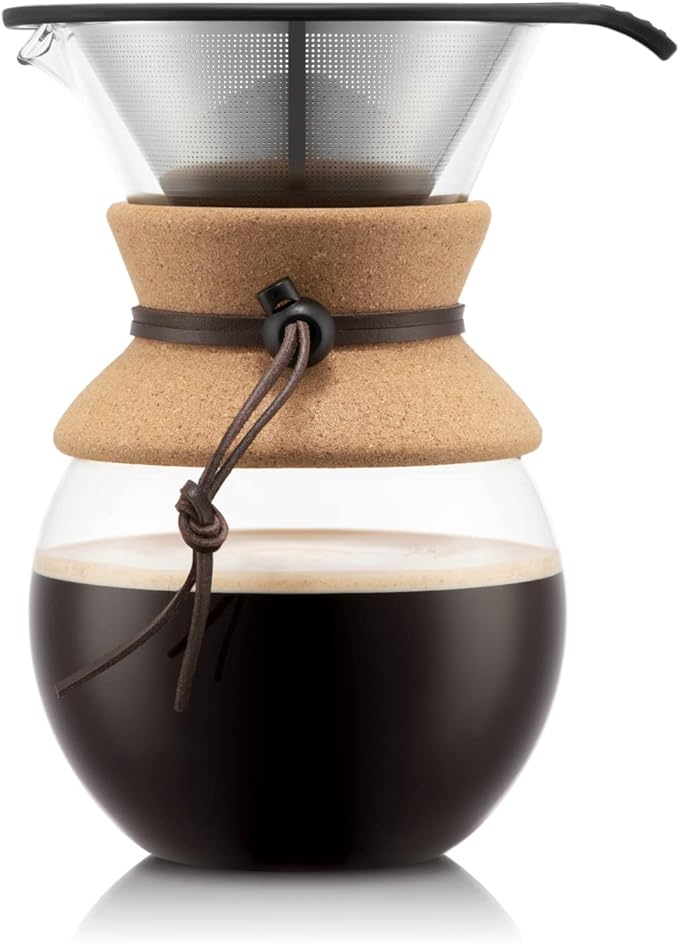
BODUM Pour Over Coffee Maker - $19
BODUM's pour over dripper uses a permanent mesh filter - no paper filters to buy - and makes the process as approachable as filter coffee gets. At $19, it's the lowest-cost way to try manual pour over without committing to expensive equipment. The permanent filter produces slightly more body than paper filters, splitting the difference between pour over clarity and French press richness. A good starting point for anyone curious about manual brewing.
Check it out →A Drip Machine That Actually Brews Correctly
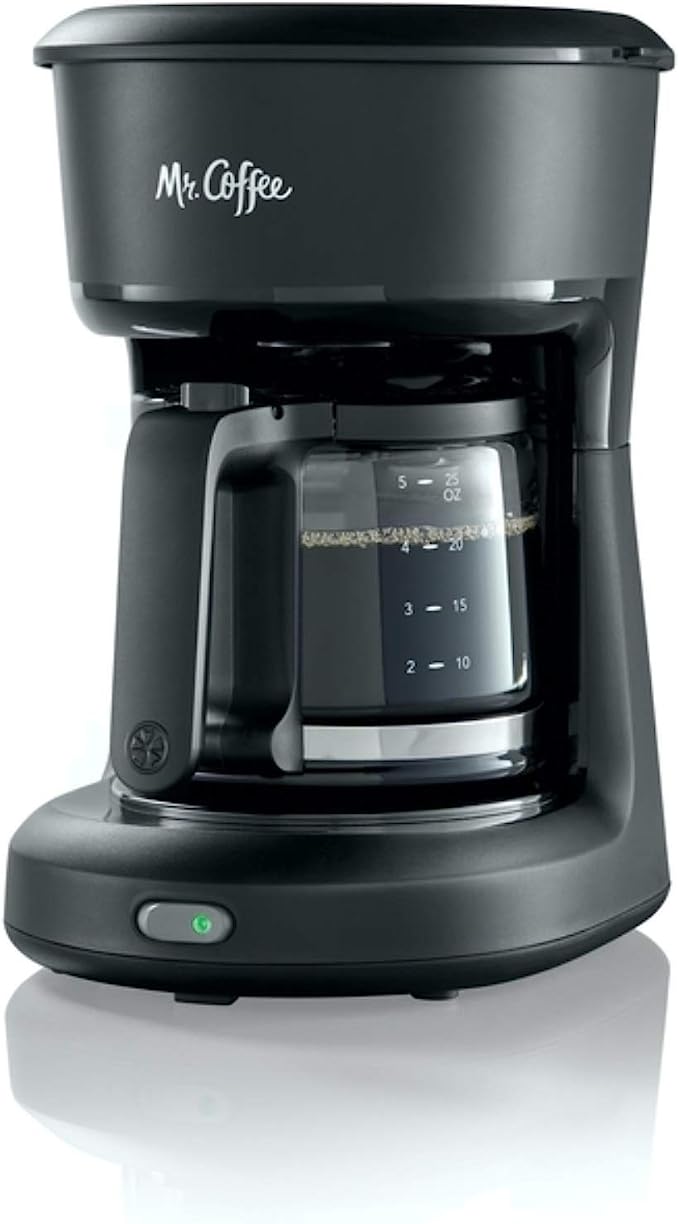
Mr. Coffee 12-Cup Coffee Maker - $24
Mr. Coffee's straightforward drip machines are reliable, widely available, and at $24 represent the best value in automatic drip coffee. For households that want consistently good coffee without any manual technique, this is a hard choice to argue against. The key upgrade over cheaper machines is a heating element that gets water to a proper brew temperature. Simple to use, easy to clean, and makes a solid cup when paired with a good grind and quality beans.
Check it out →Control Water Temperature for Pour Over
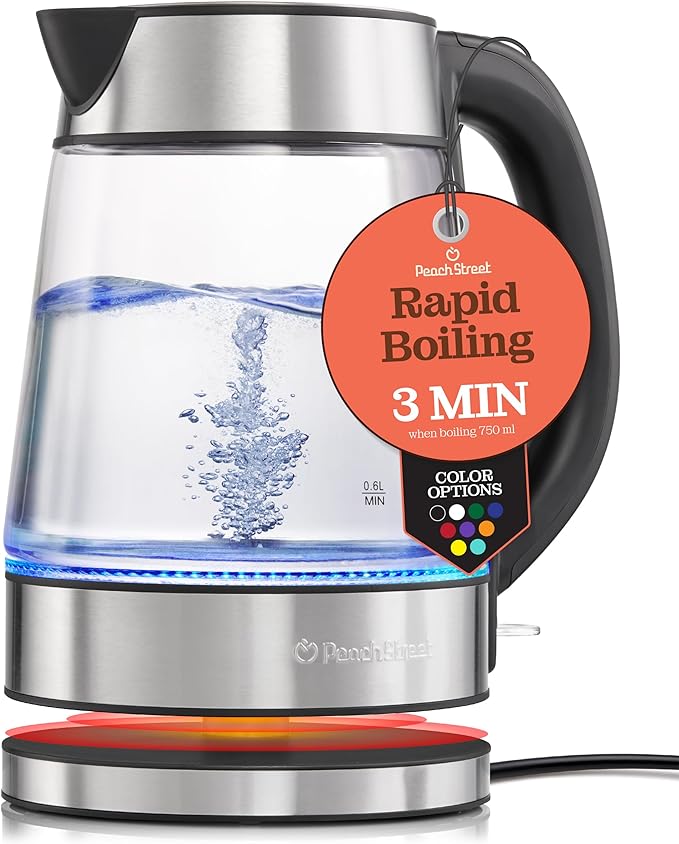
Speed-Boil Electric Kettle - $22
Pour over without a dedicated kettle is difficult - controlling pour speed and water temperature are central to the method. A gooseneck kettle gives you maximum precision, but even a standard electric kettle that reaches a full boil quickly removes water temperature as a variable. Boil, wait 45 seconds, pour. This $22 kettle is fast, reliable, and takes one major pour over variable entirely off the table.
Check it out →Frequently Asked Questions
Does pour over coffee taste noticeably better than drip?
When comparing a well-executed pour over to a cheap drip machine, yes - noticeably. The pour over will be cleaner, brighter, and more nuanced. When comparing a well-executed pour over to a quality drip machine (SCA-certified, brewing at 200°F with good water distribution), the difference is much smaller and more subtle. The quality ceiling for pour over is higher, but a quality drip machine gets close enough that many people find the difference not worth the active effort.
How long does pour over take compared to drip?
Both methods take roughly the same total time - about 5–8 minutes from start to finished cup including heating water. The key difference is active vs passive time. Pour over requires your presence and attention for the full 3–4 minutes of brewing. Drip requires 30 seconds to set up, then you walk away while it brews for 5–8 minutes. For practical morning routines, the passive nature of drip is often more valuable than the total time difference.
What's the best pour over dripper for beginners?
The BODUM pour over with a permanent filter is the most beginner-friendly because it eliminates the paper filter variable and is very forgiving of pour technique. The Hario V60 and Kalita Wave are popular among more experienced brewers who want more control. The Chemex produces excellent results but is slightly less forgiving. Start with something approachable and inexpensive - the technique matters more than the specific device at the beginner level.
Can a cheap drip machine make good coffee?
Cheap drip machines (under $20) often brew at 170°F–185°F, which is below the optimal 195°F–205°F range. At these temperatures, coffee is chronically under-extracted regardless of grind and bean quality - it tastes sour, thin, and flat. This is the single biggest problem with budget drip machines. Moving to a machine that reaches proper brewing temperature (Mr. Coffee's mid-range models do this reliably) produces a dramatically better cup for an additional $10–$15. Good grind and good beans then do the rest.
Do I need a special kettle for pour over?
You don't strictly need one, but a gooseneck kettle makes pour over significantly easier. The narrow, curved spout gives you precise control over pour speed and direction - crucial for even extraction. Without it, controlling the rate of water flow is more difficult and the bloom is harder to execute well. A standard electric kettle is better than a stovetop pot in terms of temperature control, but a gooseneck kettle is the tool that makes the pour over technique actually work as intended. Budget options under $25 are available and work well.
Who Should Use Each Method
Use pour over if: you enjoy the ritual of manual brewing, you're interested in exploring how different beans taste, you make one to two cups at a time, or you want to get the most out of quality specialty beans. Pour over rewards attention and gives you a direct connection to your coffee's flavor.
Use automatic drip if: you value convenience above all else, you regularly make coffee for multiple people, you prefer pressing a button before you've had your coffee, or you want programmable automatic brewing that's ready when you wake up. A quality drip machine with good beans and a consistent grind makes genuinely good coffee without any technique required.
Many serious coffee drinkers own both: a drip machine for busy mornings and weekday convenience, a pour over setup for weekends when there's time to appreciate the process. That's not overkill - it's recognizing that both methods have real strengths.