The debate between French Press and Pour Over coffee has been brewing for decades. Both methods produce exceptional coffee, but they couldn't be more different in approach, flavor profile, and brewing experience. If you're trying to decide which one deserves counter space in your kitchen, you've come to the right place.
French Press delivers bold, full-bodied coffee with rich oils and sediment that create a robust mouthfeel. Pour Over produces clean, bright coffee with clarity that highlights subtle flavor notes. Neither is objectively "better"-they're different tools for different tastes and occasions. This guide will help you understand what each method offers so you can choose the one that matches your coffee preferences and lifestyle.
Quick Comparison: At a Glance
| Feature | French Press | Pour Over |
|---|---|---|
| Brew Time | 4-5 minutes | 3-4 minutes |
| Flavor Profile | Bold, full-bodied, rich | Clean, bright, nuanced |
| Difficulty Level | Easy - Beginner friendly | Medium - Requires technique |
| Price Range | $20 - $50 | $15 - $45 |
| Cleanup | Moderate (grounds to dump) | Easy (just toss filter) |
| Best For | Mornings, multiple cups, bold flavor lovers | Single servings, coffee enthusiasts, light roasts |
| Grind Size | Coarse (like sea salt) | Medium (like sand) |
French Press: The Bold and Rich Experience
How French Press Works
French Press (also called a press pot or plunger pot) is an immersion brewing method. You steep coarsely ground coffee in hot water for 4-5 minutes, then press a metal mesh plunger down to separate grounds from liquid. The mesh filter allows coffee oils and fine particles to pass through, creating that signature rich, full-bodied taste.
What Makes French Press Special
🎯 Full Immersion Brewing
Every coffee particle is in constant contact with water throughout the brew. This extracts maximum flavor and creates a heavier body that you can actually feel in your mouth. The result? Bold, intense coffee that announces itself.
✨ Preserves Coffee Oils
The metal mesh filter doesn't absorb oils like paper filters do. These oils contain aromatic compounds and contribute to the creamy mouthfeel. If you've ever noticed that slick, almost buttery texture in French Press coffee-that's the oils working their magic.
☕ Larger Batch Brewing
French Presses come in sizes from 3-cup (12 oz) to 12-cup (51 oz). Perfect for making coffee for multiple people or brewing enough for your entire morning. No need to make cup after cup.
💰 Affordable & Durable
A quality French Press like the Mueller or Bodum costs $20-40 and lasts for years. The only part that might need replacing is the glass carafe if you drop it. Otherwise, it's built to last.
French Press Pros
- Rich, full-bodied flavor with presence and depth
- Simple to use - perfect for beginners and busy mornings
- Makes multiple cups at once for households or guests
- Preserves natural coffee oils for enhanced flavor
- No electricity needed - great for camping or travel
- Affordable - excellent value for money
- Consistent results with minimal technique required
French Press Cons
- Sediment in cup - some fine grounds slip through the mesh
- Can over-extract if you let it sit too long (bitter taste)
- Cleanup is messier - wet grounds need to be dumped
- Glass carafes break if dropped (stainless steel options available)
- Not ideal for light roasts - bold method can overpower delicate flavors
- Temperature drops quickly - coffee cools faster than other methods
🏆 Our Top French Press Pick
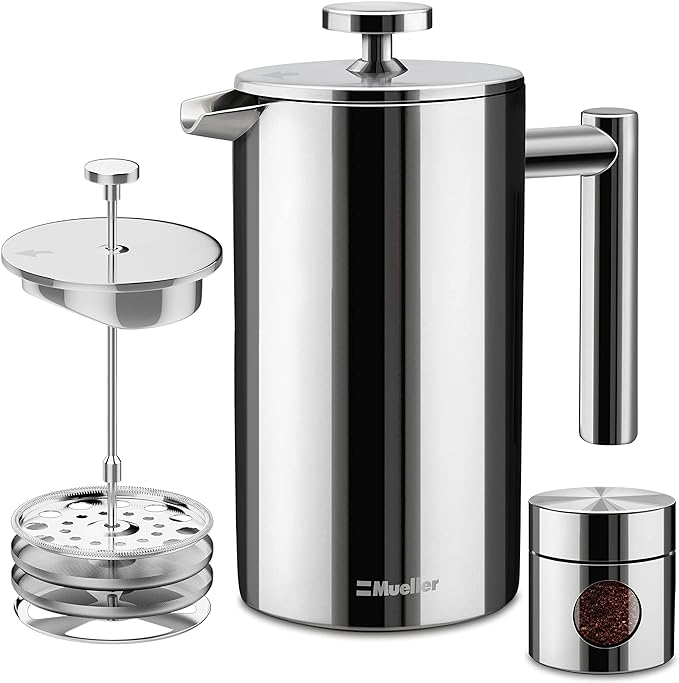
Mueller French Press Coffee Maker - $34
The Mueller hits the sweet spot of quality and affordability. Double-wall insulated stainless steel keeps coffee hot for 60+ minutes. The 4-level filtration system minimizes sediment while preserving oils. At $34, it's built like a tank and looks gorgeous on your counter.
Check it out →Pour Over: The Clean and Precise Experience
How Pour Over Works
Pour Over is a manual brewing method where you pour hot water over coffee grounds in a filter. The water passes through the coffee and filter, dripping into a carafe below. You control the water flow and pattern, which affects extraction and flavor. Popular devices include Chemex, Hario V60, Kalita Wave, and the Bodum Pour Over.
What Makes Pour Over Special
🎨 Precision Control
You're the barista. Control water temperature, pour rate, and pattern to dial in your perfect cup. This level of control lets you experiment and fine-tune extraction based on the beans you're using. It's coffee as craft.
✨ Crystal Clear Flavor
Paper filters trap oils and sediment, producing exceptionally clean coffee. This clarity lets subtle flavor notes shine-you'll actually taste the difference between Ethiopian floral notes and Colombian chocolate hints. It's like HD for coffee.
🌟 Highlights Origin Characteristics
Light and medium roasts absolutely sing with Pour Over. The clean extraction doesn't muddy delicate flavors, making it the preferred method for single-origin specialty coffees. If you paid $20 for fancy beans, this is how to honor them.
🧘 Mindful Morning Ritual
Pour Over takes presence and attention. The 3-4 minute brew becomes a meditative morning practice. No scrolling your phone-you're focused on the bloom, the pour, the extraction. Many coffee enthusiasts find this ritual calming and intentional.
Pour Over Pros
- Clean, bright flavor that highlights nuanced notes
- Zero sediment - paper filters catch everything
- Easy cleanup - just toss the filter
- Temperature control - you manage heat throughout
- Perfect for light roasts and specialty single-origins
- Visually satisfying - watching the bloom and drip is mesmerizing
- Portable - many devices are compact and travel-friendly
Pour Over Cons
- Requires technique - learning curve to get it right
- Time-consuming - needs your attention for 3-4 minutes
- One cup at a time - not efficient for multiple servings (unless you have a large Chemex)
- Needs additional gear - gooseneck kettle recommended, scale helpful
- Ongoing filter costs - paper filters add up over time
- Less body than French Press - some people find it too "light"
- Inconsistent without practice - easy to mess up at first
🏆 Our Top Pour Over Pick
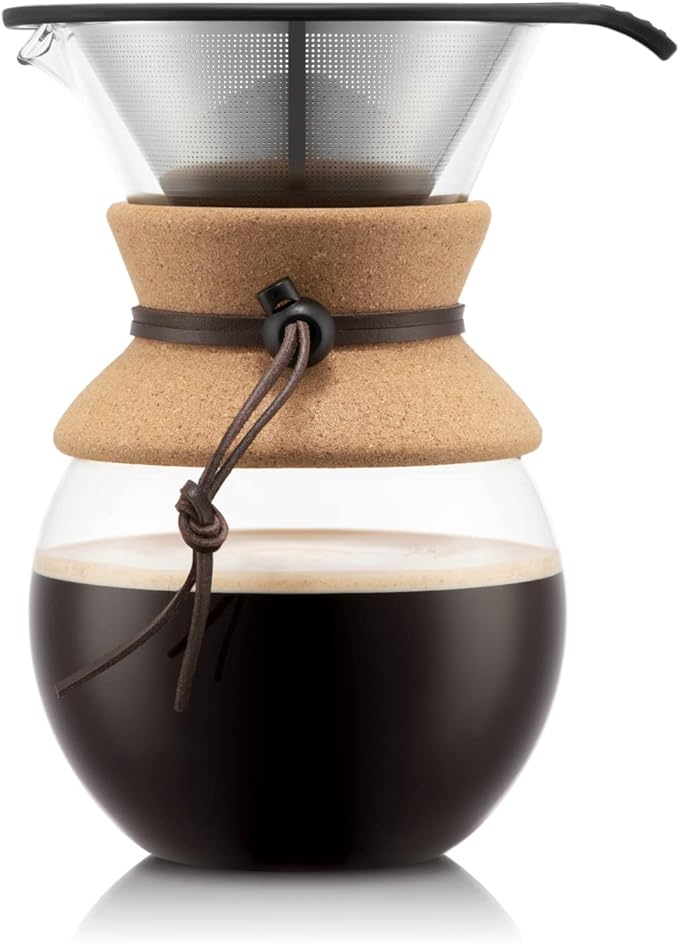
Bodum Pour Over Coffee Maker - $19
The Bodum offers the best entry point for Pour Over brewing. Permanent stainless steel filter (saves on paper filters) or use with paper for cleaner results. The high-quality borosilicate glass carafe is both beautiful and functional. At $19, it's the perfect way to explore Pour Over without commitment.
View Pour Over Makers →Head-to-Head: Key Differences
☕ Flavor Profile
French Press
Bold, heavy, rich
Think: Full-bodied red wine. The immersion method extracts everything-oils, solids, aromatics. You get intense coffee with a thick, almost chewy mouthfeel. Flavors are pronounced and assertive. Great for dark roasts and anyone who likes their coffee to have presence.
Best for: Colombian, Brazilian, Sumatran beans. Dark roasts. Chocolate and nutty flavor profiles.
Pour Over
Clean, bright, complex
Think: White wine or tea. The filtered extraction creates clarity and separation of flavors. You'll notice subtle notes that would get buried in French Press. The lighter body lets delicate characteristics shine. Perfect for exploring what makes each coffee unique.
Best for: Ethiopian, Kenyan, Costa Rican beans. Light to medium roasts. Floral, fruity, acidic profiles.
⏱️ Time and Effort
French Press
Low effort, slightly longer
Total time: 4-5 minutes. Active time: 30 seconds.
You just add grounds, pour water, wait 4 minutes, press. That's it. You can walk away during steeping. Perfect for morning autopilot mode when you're barely awake. Zero technique required.
Pour Over
Medium effort, slightly faster
Total time: 3-4 minutes. Active time: 3-4 minutes.
Requires your presence and attention. You're actively pouring in controlled circles, managing flow rate, timing the bloom. It's engaging but demands focus. Not ideal when you're rushed or distracted.
🧹 Cleanup
French Press
Moderate cleanup
Wet coffee grounds need to be dumped (compost bin, trash, or sink with disposal). Then rinse the carafe and plunger. Takes 1-2 minutes. The mesh filter occasionally needs deep cleaning to remove buildup.
Tip: Don't dump grounds directly down the drain-they can clog pipes.
Pour Over
Easy cleanup
Lift out the filter with grounds and toss. Rinse the dripper and carafe. Done in 30 seconds. Minimal mess, minimal effort. Winner for quick morning cleanup before rushing out the door.
💵 Cost Considerations
French Press
$20-50 one-time cost
Zero ongoing costs. No filters to buy. Your only expense is replacing the carafe if you break it. A quality French Press can last 10+ years with care. Best long-term value.
Pour Over
$15-45 + filters
Paper filters cost $5-10 per 100 filters. If you brew daily, that's $20-40 per year in filters. Reusable metal filters available but affect flavor (let oils through). Factor ongoing costs into your decision.
Which One Should You Choose?
Choose French Press If You:
- ✅ Want bold, full-bodied coffee with rich texture
- ✅ Prefer simple, no-fuss brewing
- ✅ Need to make multiple cups at once
- ✅ Are a beginner or casual coffee drinker
- ✅ Like dark roast or strongly flavored coffee
- ✅ Want zero ongoing costs (no filters)
- ✅ Don't mind a bit of sediment in your cup
- ✅ Value convenience over precision
- ✅ Want something camping/travel friendly (no power)
French Press is for you if: You want maximum flavor with minimum effort. Perfect for busy mornings, households, and anyone who prioritizes taste over technique.
Choose Pour Over If You:
- ✅ Want clean, bright coffee with nuanced flavors
- ✅ Enjoy the ritual and craft of coffee making
- ✅ Typically brew single servings
- ✅ Are a coffee enthusiast who likes to experiment
- ✅ Prefer light to medium roasts
- ✅ Appreciate specialty single-origin beans
- ✅ Want zero sediment or grit
- ✅ Value clarity and complexity over body
- ✅ Don't mind ongoing filter costs
- ✅ Have time for a mindful brewing ritual
Pour Over is for you if: You see coffee as a craft worth perfecting. Ideal for enthusiasts, light roast lovers, and anyone who values the brewing experience itself.
Why Not Both? 🤷
Here's the secret coffee enthusiasts won't tell you: many people own both. French Press for busy weekday mornings when you need coffee fast. Pour Over for lazy weekend mornings when you have time to savor the process. They serve different moods and moments.
Total investment for both methods: $35-65. That's less than a month of daily café visits. You get variety, flexibility, and the ability to match your brewing method to your beans and mood.
Pro Tips for Each Method
French Press Success Tips
- Use coarse grind: Like sea salt. Too fine = over-extraction and sediment
- Water temp: 195-205°F: Boil, then wait 30 seconds
- Coffee ratio: 1:15: 30g coffee to 450ml water (adjust to taste)
- Bloom first: Pour a little water, let sit 30 seconds, then add rest
- Steep exactly 4 minutes: Set a timer. Don't guess.
- Press slowly: Take 15-20 seconds. Rushing creates bitterness
- Pour immediately: Don't let coffee sit on grounds-it continues extracting
- Pre-warm carafe: Rinse with hot water first to maintain temperature
Pour Over Success Tips
- Use medium grind: Like sand. Adjust based on brew time
- Water temp: 195-205°F: Boil, wait 30-45 seconds
- Coffee ratio: 1:16: 25g coffee to 400ml water (lighter than French Press)
- Rinse filter first: Remove paper taste and pre-warm brewer
- Bloom 30-45 seconds: 2x coffee weight in water (50g water for 25g coffee)
- Pour in circles: Start center, spiral out, avoid edges
- Maintain water level: Keep grounds saturated, don't let dry out
- Total brew 3-4 minutes: Adjust grind if too fast or slow
- Invest in gooseneck kettle: Precision pouring makes huge difference
Frequently Asked Questions
Which method makes stronger coffee?
French Press feels stronger, but it depends on what you mean by "strong."
Caffeine content: Essentially the same. Both extract similar amounts of caffeine from the beans. If you use the same coffee-to-water ratio, caffeine levels will be comparable.
Flavor intensity: French Press wins. The immersion method and presence of oils create a bolder, more intense flavor that registers as "stronger" on your palate. Pour Over is more delicate and nuanced.
Body/mouthfeel: French Press is much heavier and fuller. Pour Over is lighter and cleaner. If you want coffee that "sticks to your ribs," French Press is the answer.
To actually increase caffeine: use more coffee grounds or choose a light roast (despite tasting milder, light roasts have slightly more caffeine per bean than dark roasts).
Can I use the same coffee beans for both methods?
Yes, but they'll taste different-and some beans favor certain methods.
Dark roasts: Excel in French Press. The bold brewing method complements their strong, roasty flavors. In Pour Over, they can taste one-dimensional.
Light roasts: Shine in Pour Over. The clean extraction lets you taste the fruity, floral, acidic notes that make light roasts special. French Press can make them taste muddy or overly acidic.
Medium roasts: Work beautifully in both! Medium roasts are balanced enough to show different sides depending on brewing method. This is your best bet if you want beans that perform well in either device.
Pro tip: Buy medium roast single-origins and experiment with both methods to discover how brewing affects flavor. Same beans, totally different cups. It's eye-opening.
Is the sediment in French Press coffee bad for you?
No, it's not harmful-but there are considerations.
The sediment: It's just fine coffee particles and some coffee oils. Totally safe to drink. Many people enjoy the texture and richness it adds. Think of it like pulp in orange juice-some prefer it, others don't.
Cholesterol concern: Coffee oils contain cafestol and kahweol, compounds that can raise LDL cholesterol if consumed in large quantities (5+ cups daily). Paper filters in Pour Over trap these oils. For most people having 1-3 cups daily, this isn't a concern. If you have cholesterol issues, discuss with your doctor.
Stomach sensitivity: Some people with sensitive stomachs find the oils in French Press irritating. If you experience heartburn or stomach upset, try Pour Over-the paper filters remove the oils that can cause issues.
Bottom line: For the average coffee drinker, French Press sediment is harmless and even desirable. Only those with specific health concerns need to think twice.
Do I need a gooseneck kettle for Pour Over?
Not required, but highly recommended if you're serious about Pour Over.
With regular kettle: You can make decent Pour Over, but controlling the pour is challenging. You'll likely pour too fast, creating channels (water finding the easiest path) and uneven extraction. Your coffee will work but won't be optimal.
With gooseneck kettle: The long, narrow spout gives you precision control over water flow and placement. You can pour slowly in controlled circles, ensuring even saturation. This is the difference between "good" and "excellent" Pour Over.
Starting out? Use what you have. If you fall in love with Pour Over, invest in a gooseneck kettle ($25-50). You'll immediately notice the improvement in your coffee.
Bonus: Temperature-controlled gooseneck kettles ($60-100) let you set precise temperature, which is amazing for dialing in different beans. But start simple-even a basic $25 gooseneck is a game-changer.
How do I reduce sediment in French Press?
You can't eliminate it completely, but here's how to minimize it:
1. Grind coarser: The #1 cause of excessive sediment is too-fine grind. Use coarse grind (like sea salt or breadcrumbs). If you're getting mud at the bottom, go coarser.
2. Don't press down hard: Press gently and stop if you feel resistance. Pressing too hard forces fine particles through the mesh.
3. Let grounds settle: After pressing, wait 30-60 seconds before pouring. Grounds settle to bottom. Pour slowly and stop before the last ounce-that's where sediment concentrates.
4. Double-screen French Press: Some models (like the Espro Press) have double mesh screens that catch more sediment. Worth considering if sediment really bothers you.
5. Quality grinder: Blade grinders create inconsistent particle size with lots of "fines" (dust). Burr grinders produce uniform grinds with fewer fines. Investment pays off in cleaner cups.
Embrace it: Honestly, some sediment is part of French Press character. If you want zero sediment, Pour Over is the better choice.
Can I make cold brew with either method?
French Press: Yes! Pour Over: Not really.
French Press for cold brew: Perfect! Use coarse grind, add cold water, stir, and refrigerate for 12-24 hours. Press and pour. The immersion method is ideal for cold brew's long extraction. Many people use French Press specifically for this.
Ratio for cold brew: Use 1:8 ratio (coarser than hot brew). Example: 100g coffee to 800ml water. This creates concentrate you can dilute with water or milk.
Pour Over for cold brew: Doesn't work well. Cold brew needs long steeping time-water would drip through too fast. You'd need to rig something complex. Not worth it.
Pour Over for iced coffee: Works great! Brew hot directly over ice (Japanese iced coffee method). Use 1:15 ratio but replace 40% of water with ice. Hot coffee melts ice, chilling instantly while preserving bright flavors.
The Verdict: Your Perfect Cup Awaits
There's no winner in the French Press vs Pour Over debate because they're not competing-they're complementary. French Press delivers bold, rich coffee with minimal fuss. Pour Over offers clarity and control for those who want to engage with the brewing process. Both produce exceptional coffee when done right.
If you're a beginner or want simplicity, start with French Press. If you're a coffee enthusiast who geeks out over technique, go with Pour Over. And if you can't decide? Get both. At $35-65 for quality versions of each, you're investing less than a month of coffee shop visits while gaining the flexibility to brew whatever your morning demands.
The best coffee maker is the one you'll actually use. Choose based on your lifestyle, preferences, and how you want to experience your morning ritual. Either way, you're upgrading from pre-ground sadness to fresh-brewed joy-and that's always the right choice.
Essential Gear for Either Method
Grind Fresh for the Best Results
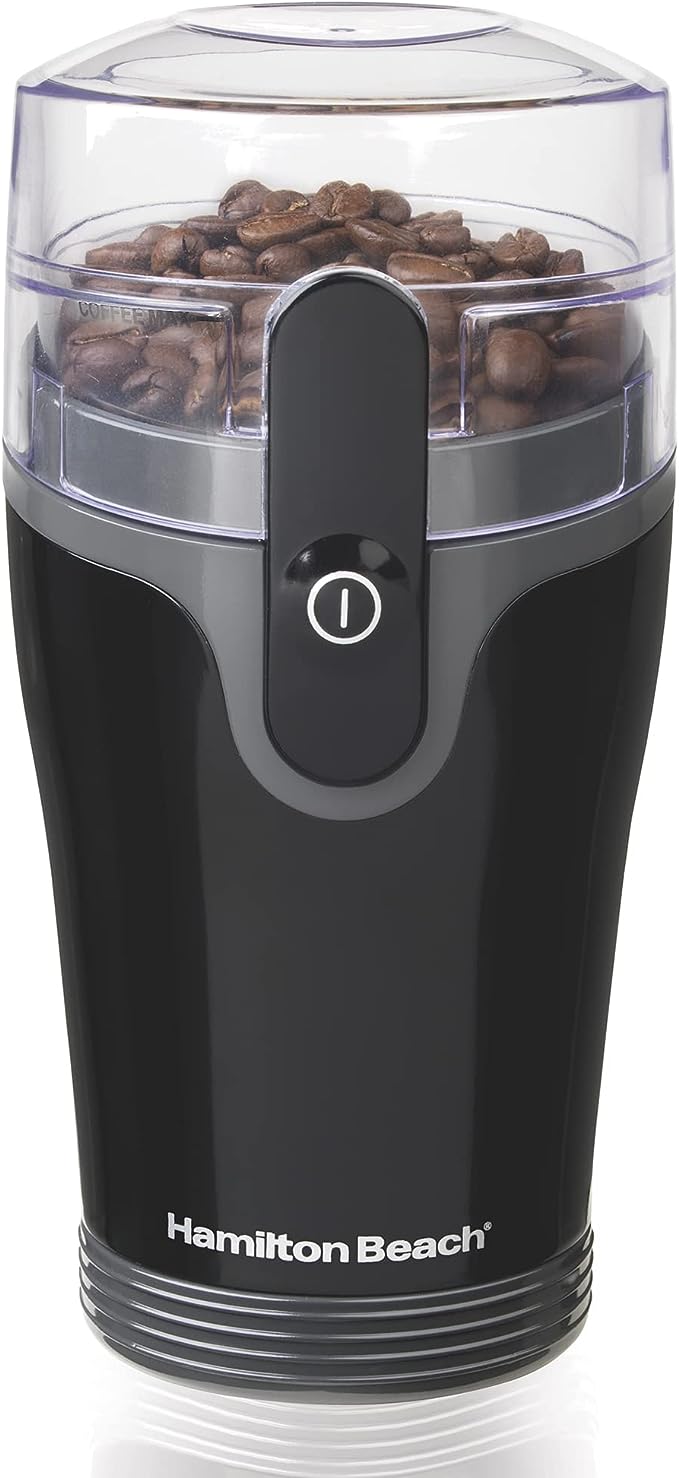
Hamilton Beach Fresh Grind Electric Coffee Grinder - $18
Pre-ground coffee can't compete with fresh-ground — no matter which method you choose. This grinder handles both coarse (French press) and medium (pour over) grinds at an unbeatable price.
Check it out →Get Your Water Temperature Right
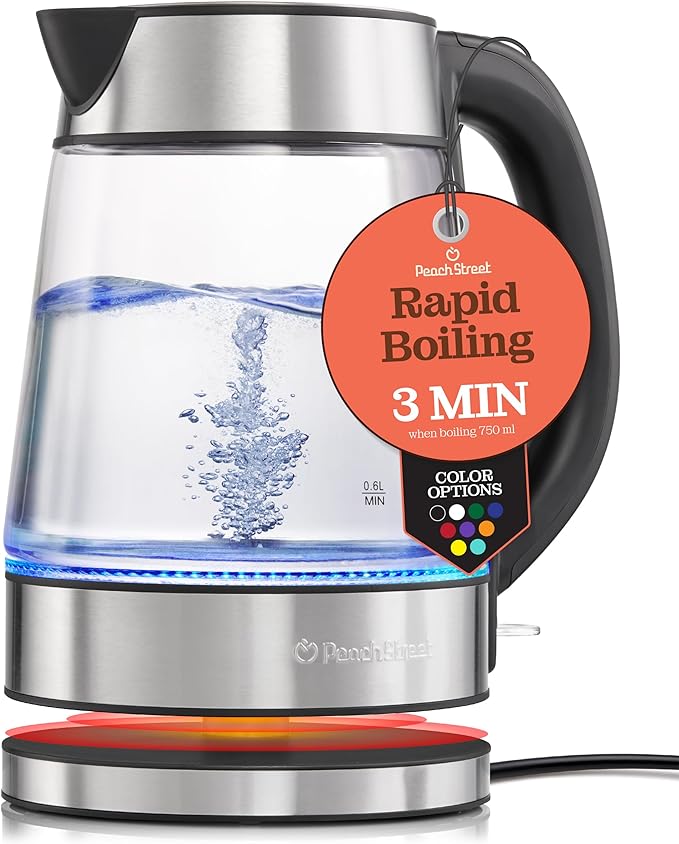
Speed-Boil Electric Kettle - $22 (50% Off)
Water temperature is critical for both methods. Too hot and you'll over-extract (bitter). Too cool and you'll under-extract (sour). An electric kettle gets you to the ideal 195-205°F fast.
Check it out →Weigh for Consistency
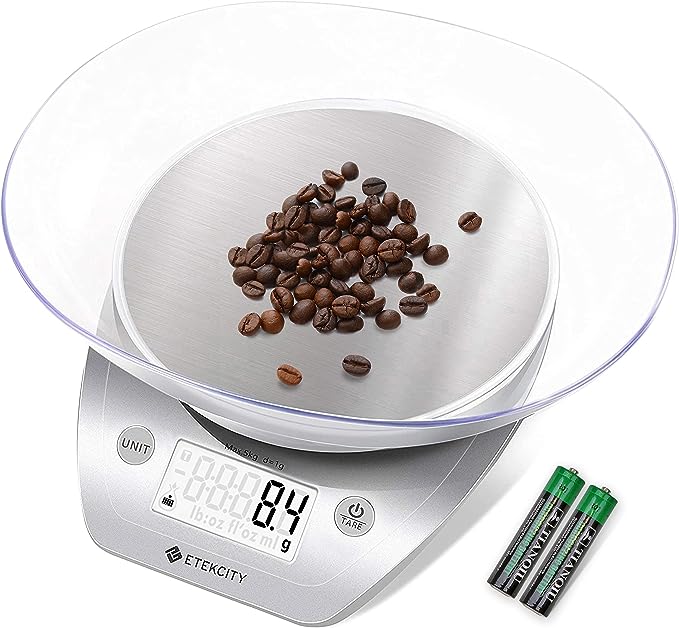
Etekcity Digital Kitchen Scale - $18
Guessing your coffee-to-water ratio leads to inconsistent cups. A scale takes the guesswork out — essential for pour over, and a game-changer for French press too.
Check it out →Ready to Brew Better Coffee?
Browse store for French Press and Pour Over coffee makers
Check it out →