You've decided to upgrade from instant coffee or the office Keurig-congratulations! Making great coffee at home is more accessible than you think, but it does require a few key tools. The good news? You don't need to spend hundreds or clutter your kitchen with gadgets you'll never use.
This guide covers the 7 truly essential coffee accessories every beginner needs. These aren't "nice-to-haves" or luxury items-they're the practical tools that will make the difference between okay coffee and coffee that makes you excited to wake up. Best of all, you can get everything on this list for under $150 total.
Total Investment: $120-$150 for all 7 essentials
Time to set up: Under 30 minutes
Skill level required: Complete beginner-friendly
The 7 Essential Coffee Accessories
1. Coffee Grinder - The Single Most Important Tool
Why it's essential: Pre-ground coffee starts losing flavor within 15 minutes of grinding due to oxidation. Even a basic grinder with fresh whole beans will produce dramatically better coffee than expensive pre-ground beans. This is the #1 upgrade that will transform your coffee.
What to look for:
- Blade grinder for beginners (burr grinders are great but not essential at first)
- At least 3-4 oz capacity
- Removable grinding chamber for easy cleaning
- Stainless steel blades (avoid plastic)
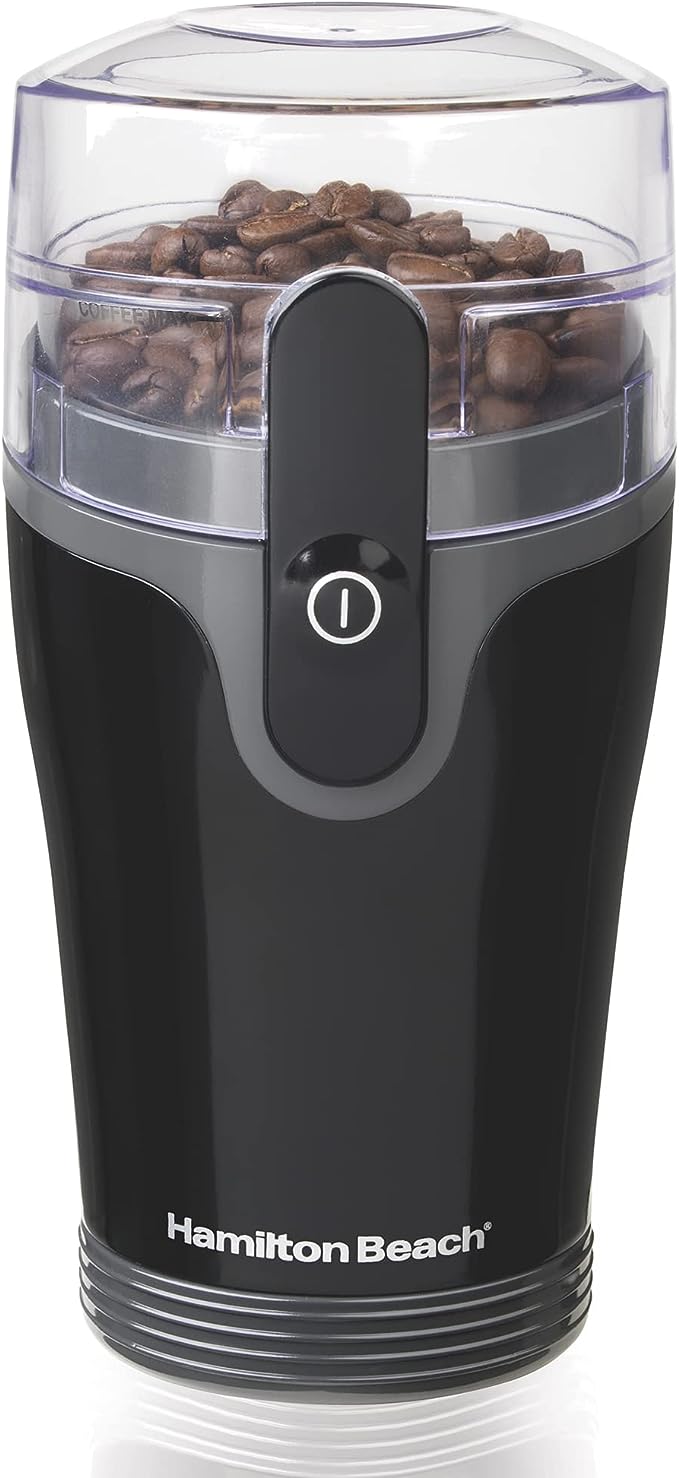
Our Top Pick: Hamilton Beach Fresh Grind - $18
Perfect for beginners. Large 4.5 oz capacity, removable chamber, dishwasher-safe parts. Produces consistent grinds for drip coffee and French press. At $18, it's the best value in the category.
View Coffee Grinders →Pro tip: Grind your beans right before brewing-literally 30 seconds before. The difference in aroma and flavor is immediately obvious.
2. Coffee Scale - Precision Without the Guesswork
Why it's essential: "Two scoops" isn't precise enough. Coffee is about ratios-get them right and your coffee is consistent every time. Get them wrong and it's a coin flip whether you'll get bitter, sour, or just-right coffee. A scale removes all guesswork.
What to look for:
- Reads in grams (more precise than ounces)
- At least 1kg capacity
- Accurate to 0.1g or 1g
- Tare function (reset to zero with container on scale)
- Compact design that fits on your counter
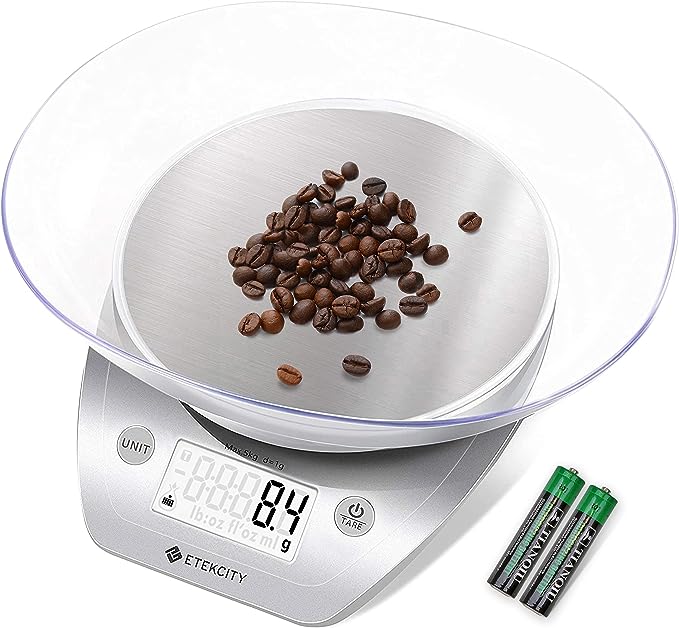
Our Top Pick: Etekcity Kitchen Scale - $18
Beginner-friendly with a detachable bowl. Large LCD display, accurate measurements, and the price is unbeatable. Measures up to 11 lbs, so you can also use it for cooking and baking.
View Coffee Scales →The golden ratio: Start with 1:16 (coffee to water). That's 15g coffee to 240ml (1 cup) water. Adjust to your taste from there.
3. Coffee Maker - French Press or Pour Over
Why it's essential: Your coffee maker defines your coffee's flavor profile. We recommend starting with either a French Press or Pour Over-both produce excellent coffee, are beginner-friendly, and cost a fraction of expensive machines.
Choose French Press if you want:
- Bold, full-bodied coffee with rich texture
- Simple brewing with minimal technique
- Ability to make multiple cups at once
- Zero ongoing costs (no filters to buy)
Choose Pour Over if you want:
- Clean, bright coffee with clarity
- No sediment in your cup
- A mindful brewing ritual
- Best showcase for light roast beans
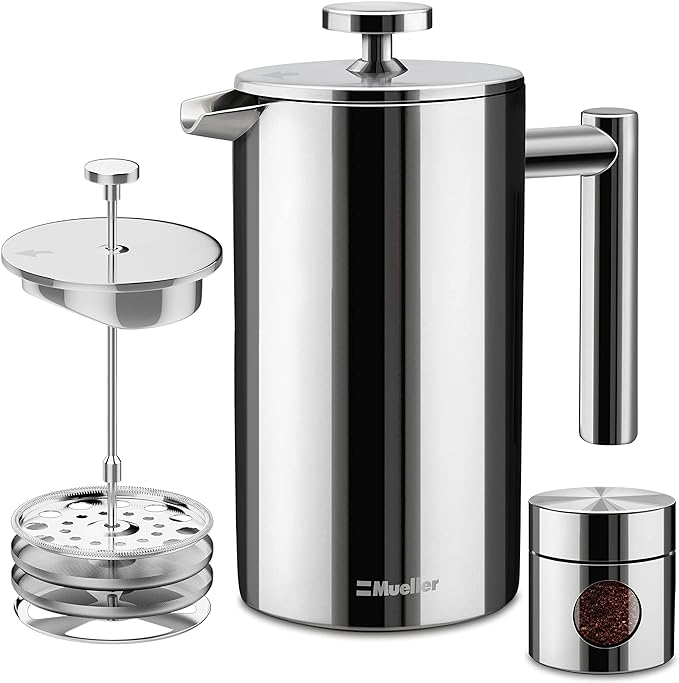
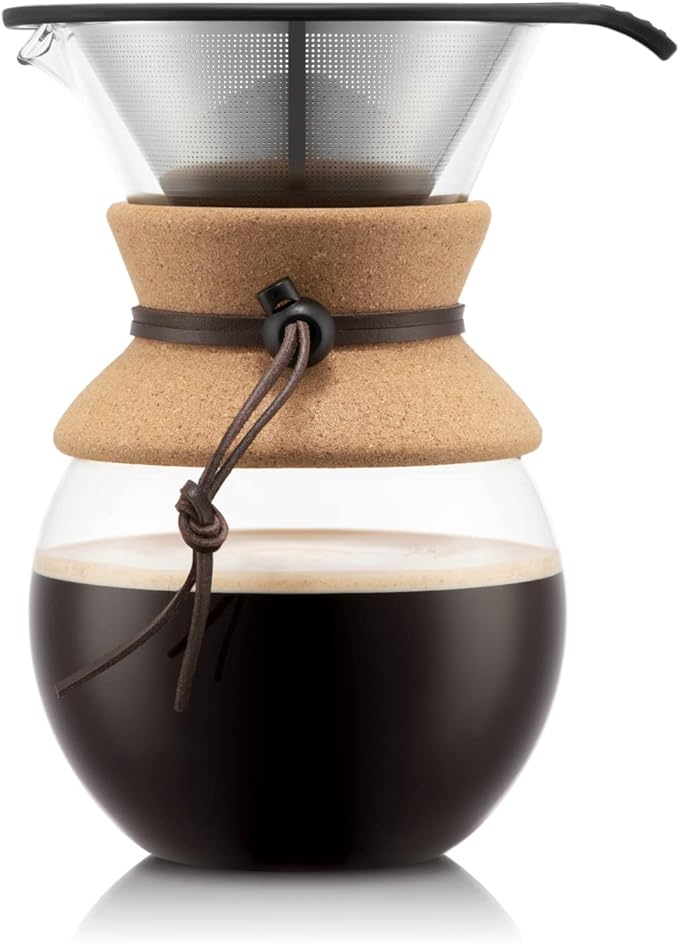
Our Top Picks:
French Press: Mueller French Press - $34
Double-wall insulated stainless steel keeps coffee hot for an hour. 4-level filtration minimizes sediment.
Pour Over: Bodum Pour Over - $19
High-quality glass carafe with permanent filter. Beautiful and functional.
Can't decide? Read our in-depth French Press vs Pour Over comparison to find your perfect match.
4. Electric Kettle - Fast, Consistent Water Temperature
Why it's essential: Coffee needs water between 195-205°F. Too hot burns the coffee (bitter), too cool under-extracts (sour). An electric kettle gets water to the perfect temperature in 2-3 minutes. Much faster and more consistent than stovetop.
What to look for:
- Fast boiling time (under 5 minutes)
- At least 1 liter capacity
- Auto shut-off for safety
- Concealed heating element (easier to clean)
- Gooseneck spout is a nice upgrade for Pour Over
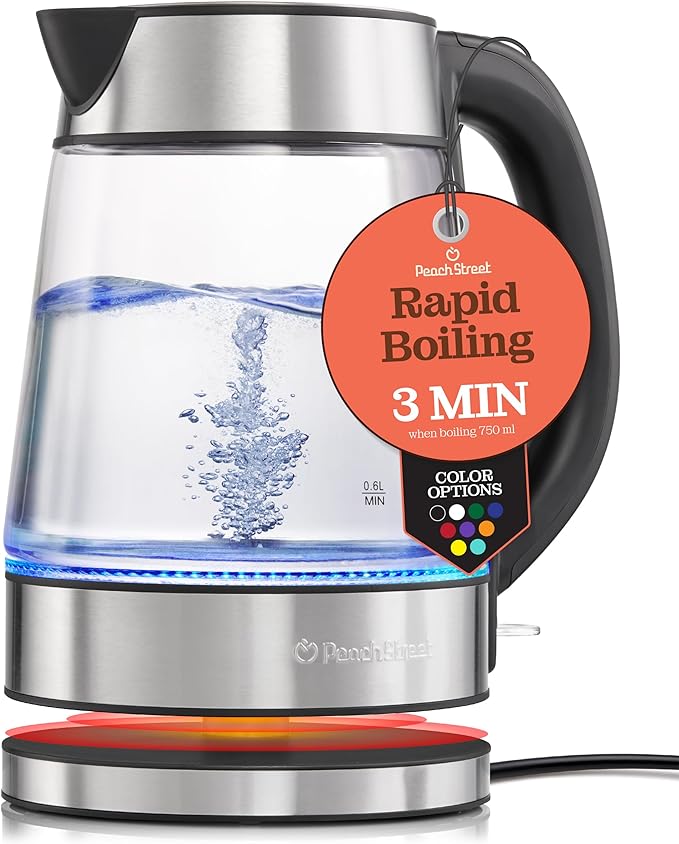
Our Top Pick: Speed-Boil Electric Kettle - $22
Heats water in under 3 minutes. Cool LED glow when heating. Simple one-button operation. This is the best value for beginners.
Check it out →Pro tip: Boil water, then wait 30-45 seconds before brewing. This brings temperature down from 212°F (boiling) to the ideal 195-205°F range.
5. Airtight Storage Container - Keep Beans Fresh
Why it's essential: Coffee beans are at their peak for 2-4 weeks after roasting. But only if stored properly. Exposure to air, light, and moisture makes beans go stale fast. An airtight container extends freshness significantly.
What to look for:
- Truly airtight seal (not just a lid)
- Opaque or darkened container (blocks light)
- BPA-free materials
- Holds at least 12 oz of beans (one standard bag)
- Stackable if you want multiple
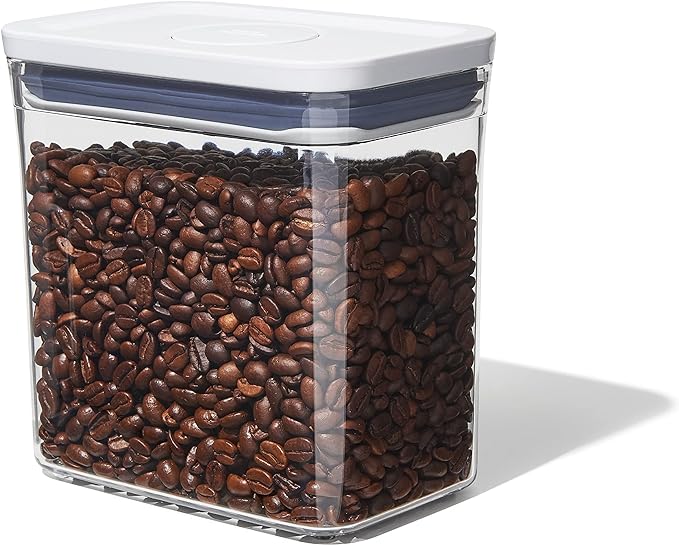
Our Top Pick: OXO Good Grips POP Container - $21
Airtight push-button seal, stackable design, BPA-free, and dishwasher safe. The fill line helps you track how much coffee you have left. Perfect for storing whole beans.
View Storage Containers →Storage tips: Keep container in a cool, dark place-NOT the fridge or freezer. Freeze whole beans only if storing for 1+ month.
6. Filters (If Using Pour Over)
Why it's essential: If you went with Pour Over as your coffee maker, you'll need filters. They're cheap, but choosing the right ones matters for taste.
What to look for:
- Match your brewer size (usually #2 or #4 cone filters)
- Natural brown or white (both work-white are bleached)
- Buy in bulk (100-200 pack) to save money
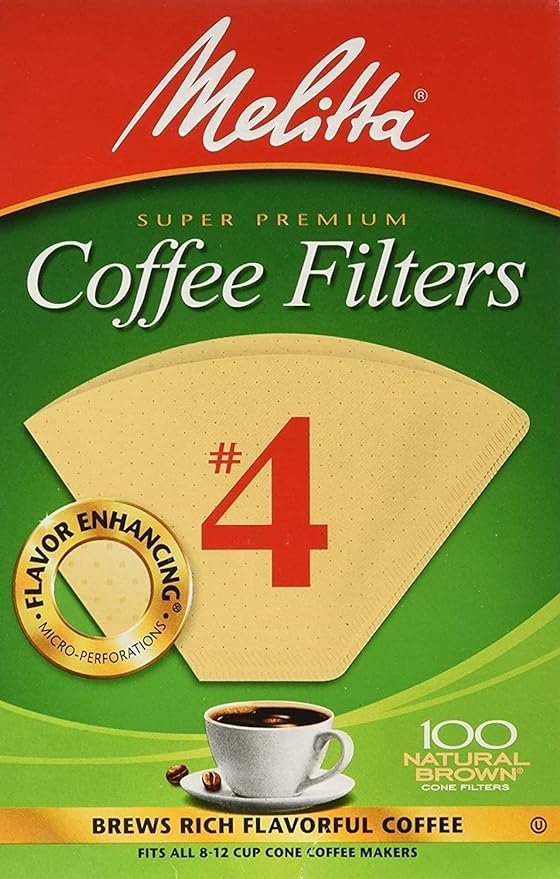
Our Top Pick: Melitta Super Premium Coffee Filters - $8
Quality filters at a great price. Microfine perforations prevent grounds from slipping through. Come in various sizes to fit any brewer.
View Coffee Filters →Pro tip: Rinse paper filters with hot water before brewing. This removes paper taste and pre-warms your brewer.
7. Insulated Travel Mug - Keep Coffee Hot
Why it's essential: You've made great coffee-don't let it go cold and sad in a regular mug. A good insulated mug keeps coffee hot for hours, whether you're at your desk or commuting. Plus, it prevents you from defaulting to mediocre coffee shop coffee.
What to look for:
- Vacuum-insulated stainless steel
- Leak-proof lid
- Fits car cup holder
- 12-16 oz capacity (standard coffee serving)
- Easy to clean (wide mouth preferred)
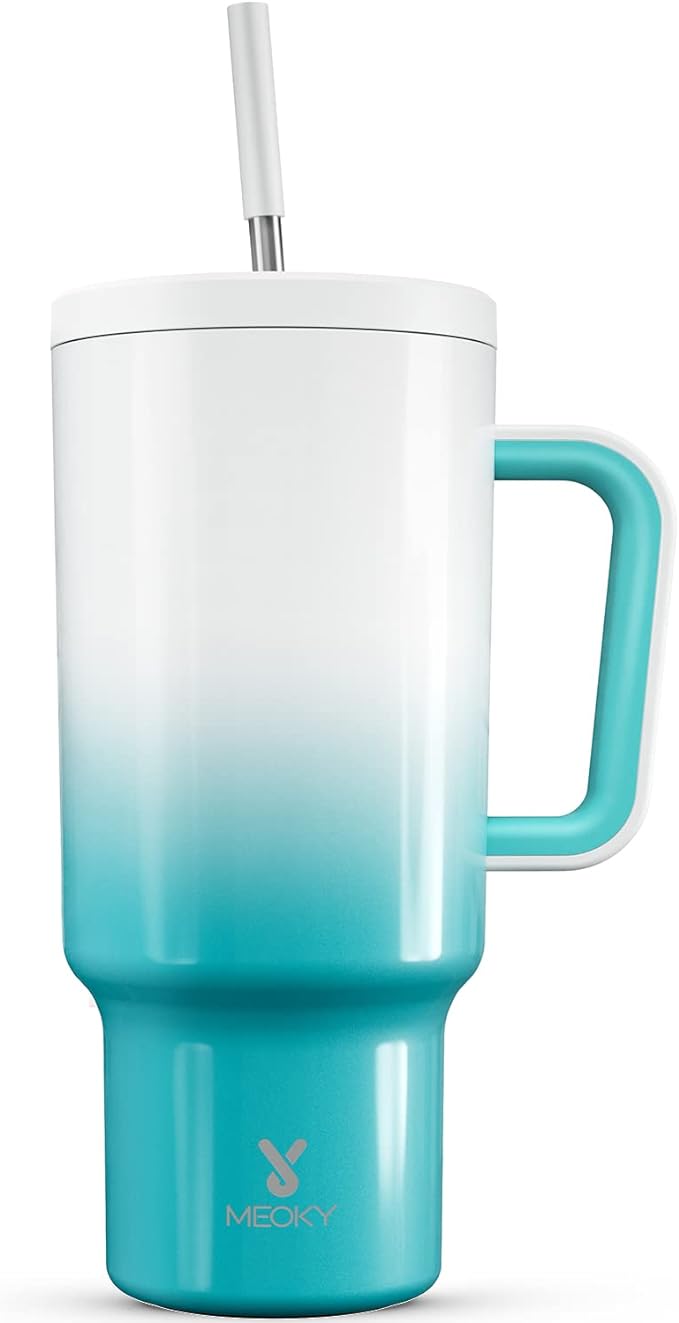
Our Top Pick: Meoky Insulated Tumbler - $23
Keeps coffee hot for 10 hours or cold for 34 hours. Leak-proof lid, fits cup holders, and the price is excellent for the quality. Perfect for commuters and WFH folks alike.
View Travel Mugs →Maintenance tip: Wash daily with soap and water. Deep clean weekly with baking soda and vinegar to prevent coffee oil buildup and stale taste.
Total Cost Breakdown
| Essential Item | Cost |
|---|---|
| Coffee Grinder | $18 |
| Coffee Scale | $18 |
| French Press OR Pour Over | $19-$34 |
| Electric Kettle | $22 |
| Storage Container | $12 |
| Filters (if Pour Over) | $3-10 |
| Travel Mug | $23 |
| TOTAL | $115-$170 |
That's less than two months of daily coffee shop visits ($5/day × 30 days = $150/month), and these tools will last for years.
What You DON'T Need (Yet)
The coffee world loves gadgets, but resist the urge to buy everything at once. These can wait:
❌ Expensive Espresso Machine ($200-$1,000+)
Espresso is an advanced technique with a steep learning curve. Master regular coffee first. If you love espresso, invest in a quality machine later-cheap espresso machines ($50-100) produce disappointing results.
❌ Burr Grinder ($100-$300)
Yes, burr grinders are superior to blade grinders. But a $18 blade grinder will transform your coffee just as much for now. Upgrade to burr later when you're more experienced and can appreciate the difference.
❌ Milk Frother ($10-$50)
Not essential unless you're making lattes daily. Start with black coffee to learn to appreciate beans' natural flavors. Add a frother later if you find you want it.
❌ Coffee Syrups and Flavorings
Quality fresh-roasted beans have incredible natural flavor. Give yourself time to explore that before adding syrups. Once you taste the difference, you might not want to cover it up.
❌ Fancy Coffee Subscription ($20-40/month)
Subscriptions are great once you know what you like. Start by buying small bags from local roasters or grocery store specialty sections. Experiment with different roasts and origins before committing to a subscription.
Your First Week: Getting Started
Day 1: Set Up Your Station
Unbox everything, wash your coffee maker and mug, find a spot on your counter for your grinder and kettle. Organize it like a mini coffee bar-you want this to feel inviting, not like a chore.
Day 2: Buy Fresh Beans
Visit a local roaster or buy from your grocery store's specialty coffee section. Look for beans roasted within the last 2 weeks (check the bag). Start with medium roast-it's the most forgiving for beginners. Buy a 12 oz bag.
Day 3-7: Practice and Refine
Day 3: Make your first cup using the golden ratio (15g coffee to 240ml water). Take notes on how it tastes.
Day 4: Adjust. Too bitter? Use slightly less coffee or grind coarser. Too weak/sour? Use more coffee or grind finer.
Day 5-7: Repeat daily, tweaking as needed. By day 7, you'll have dialed in your perfect cup.
Remember: Good coffee is about consistency, not perfection. Once you find what you like, write down your recipe (coffee amount, water amount, grind size, brew time) so you can repeat it.
Frequently Asked Questions
Can I start with just a grinder and regular drip coffee maker?
Absolutely! If you already have a drip coffee maker at home, that's perfectly fine to start with. Just add a grinder and scale to improve your coffee dramatically.
The reason we recommend French Press or Pour Over is that they're more affordable than buying a new drip machine, and they give you more control over the brewing process. But if you have a drip maker sitting in your cabinet, use it! Fresh-ground beans will make it taste 10x better than it does with pre-ground.
Pro tip: Most drip machines work best with medium grind. If your coffee tastes weak, grind finer. If it's bitter, grind coarser.
Do I really need a scale? Can't I just use a scoop?
You can use a scoop, but you'll get inconsistent results. Here's why:
Coffee beans vary in size and density. A "scoop" of light roast beans weighs different than the same scoop of dark roast. Even the same beans will weigh different depending on how you scoop (packed vs loose). This means your coffee strength changes day-to-day even if you think you're being consistent.
A $18 scale eliminates this problem completely. Weigh your coffee and water once, and you'll get the exact same result every time. It takes literally 10 extra seconds.
If you absolutely insist on using a scoop: Use 2 level tablespoons of ground coffee per 6 oz of water as a starting point. But expect to fiddle with it a lot to find your sweet spot.
What kind of beans should I buy as a beginner?
Start with medium roast from your local roaster or grocery store specialty section.
Why medium roast? It's the most forgiving. Light roasts can taste sour if under-extracted, dark roasts can taste burnt if over-extracted. Medium roast has a wider "sweet spot" making it easier to brew well.
Where to buy:
- Local coffee roasters: Best option. They'll have fresh beans and can recommend beginner-friendly options. Ask when beans were roasted-ideally within the last week.
- Grocery store specialty section: Look for bags with roast dates (not just "best by"). Brands like Stumptown, Intelligentsia, or Counter Culture are reliable.
- Online: Great for variety, but shipping time means beans are older. Only order if local options are limited.
Avoid: Pre-ground coffee (defeats the purpose of your grinder), flavored coffee (hides bean quality), anything labeled "gourmet" without a roast date.
Recommended first purchase: 12 oz bag of medium roast, single-origin coffee from Central or South America (Colombia, Guatemala, Costa Rica). These regions produce balanced, approachable flavors perfect for learning.
How much will I save making coffee at home vs buying it?
Significant savings-around $1,500/year if you buy coffee daily.
Coffee shop habit: $5/day × 365 days = $1,825/year
Home brewing costs:
- Initial equipment: $115-130 (one-time)
- Coffee beans: ~$15/bag (12 oz, lasts ~2 weeks for one person) = $390/year
- Filters (if Pour Over): $20/year
- Total first year: $525-540
Savings first year: $1,285-1,300
Savings every year after: $1,415-1,435
Plus, home coffee is available instantly when you wake up, you control exactly how it tastes, and you can make as much as you want. No waiting in line, no spelling your name, no $7 lattes that disappoint.
Payback period: Your equipment pays for itself in less than one month of not buying daily coffee.
I'm not a morning person. Is this too complicated for 6 AM?
It's actually faster and easier than you think-under 5 minutes total.
Morning routine breakdown:
- Boil water: 2-3 minutes (do this first, then prep while it heats)
- Grind beans: 10 seconds
- Brew (French Press): 4 minutes hands-off time
- Brew (Pour Over): 3 minutes active pouring
Total active effort: 30 seconds to 3 minutes
Total time from start to coffee in hand: Under 5 minutes
Compare this to: driving to coffee shop (5-10 min), waiting in line (3-5 min), ordering and waiting (3-5 min). You've spent 15-20 minutes and $5.
Make it even easier:
- Prep beans the night before (grind right before brewing though)
- Fill kettle with water before bed
- Set up your mug and French Press/Pour Over on counter
With this prep, morning you just: turn on kettle, grind, brew. Zero thinking required before caffeine.
What if I mess up and make bad coffee?
You will, and that's completely normal. Every coffee enthusiast has made terrible coffee while learning. The good news? It's easy to fix once you understand what went wrong.
Coffee tastes bitter:
- Over-extracted (too much flavor pulled out)
- Fix: Use less coffee, grind coarser, or brew for shorter time
Coffee tastes sour or weak:
- Under-extracted (not enough flavor pulled out)
- Fix: Use more coffee, grind finer, or brew for longer time
Coffee tastes like nothing:
- Stale beans or way too much water
- Fix: Buy fresh beans with roast date, check your coffee-to-water ratio
Coffee has too much sediment (French Press):
- Grind is too fine
- Fix: Grind coarser, press gently
Pro tip: Change ONE variable at a time. If you change grind size AND coffee amount AND brew time, you won't know what fixed or broke it. Make small adjustments, taste, repeat.
After 5-7 brews, you'll have it dialed in. By brew 20, it'll be second nature.
Ready to Start Brewing Better Coffee?
You don't need a fancy setup or years of experience to make great coffee at home. These 7 essentials-grinder, scale, coffee maker, kettle, storage, filters, and travel mug-are all you need to brew coffee that rivals (and often beats) what you'd get at a café.
Total investment: under $150. Time to learn: about a week. Savings: over $1,400 per year. Better coffee: every single morning.
The coffee world can feel intimidating with all its gear and jargon, but it doesn't have to be. Start here, master the basics, and add more advanced tools only when you're ready and excited to level up. There's no rush-the journey is part of the fun.
Get Everything You Need
Shop our curated collection of beginner-friendly coffee accessories
Shop Essential Coffee Accessories →Next steps: Once you've mastered the basics, check out our guide on choosing the best budget grinder or learn the difference between French Press and Pour Over brewing.