Pouring hot coffee over ice sounds like it should work - and it can, if you do it right. The problem is that standard-strength coffee gets diluted as the ice melts, leaving you with a watery, flat cup that tastes like a disappointing accident. The fix isn't complicated, but it requires understanding why each method works and what it's trading off.
There are three practical ways to make iced coffee at home: hot brew over ice (fastest, done in minutes), Japanese iced coffee (best flavor clarity, done in minutes with a pour over), and cold brew concentrate (best for batch making, done overnight). Each one suits a different setup and schedule. This guide covers all three with exact ratios and step-by-step instructions.
Quick Setup — Everything You'll Need
| Brewer (Hot Methods) | AeroPress Coffee Maker | ~$40 | Check Price |
| Pour Over (Japanese Method) | BODUM Pour Over Maker | ~$19 | Check Price |
| Cold Brew Option | Mueller French Press | ~$34 | Check Price |
| Scale | Etekcity Digital Kitchen Scale | ~$18 | Check Price |
| Coffee | Death Wish Dark Roast | ~$16 | Check Price |
The 3 Methods at a Glance
Before diving into each method, here's how they compare so you can pick the right one for your situation:
- Hot Brew Over Ice - fastest, works with any brewing setup, requires doubling coffee dose
- Japanese Iced Coffee - best flavor, bright and clear, requires a pour over setup
- Cold Brew Concentrate - best for batches, smooth and low-acid, requires 12–18 hours
Method 1: Hot Brew Over Ice
This is the fastest way to make iced coffee and requires no special equipment beyond whatever you already brew with. The key insight: you need to brew at double strength to compensate for the dilution that happens when hot coffee melts the ice.
Standard brewing ratio is around 1:15 (1g coffee to 15g water). For iced coffee, use 1:8 - this produces a concentrated brew that, once diluted by melting ice, lands right where you want it.
Step by Step
- Fill your glass or pitcher with ice. Use large cubes if possible - they melt more slowly and dilute less aggressively.
- Weigh out your coffee at a 1:8 ratio. For a 300ml final drink, brew 150ml of concentrate using about 19g of coffee.
- Grind to your method's standard setting - medium for drip, medium-coarse for French press, medium-fine for pour over.
- Brew hot over the ice directly (if your brewer allows it) or brew into a separate container and immediately pour over ice.
- Stir to speed chilling and combine. Add milk or sweetener if desired.
Tip on sweetening: Sugar dissolves poorly in cold liquid. If you want a sweetened iced coffee, add sugar while the coffee is still hot, stir to dissolve, then pour over ice. Or make simple syrup (equal parts sugar and water, heated) and keep it in the fridge.
AeroPress - Best for Quick Concentrated Iced Coffee
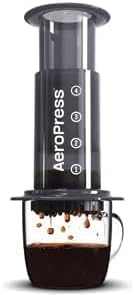
AeroPress Coffee and Espresso Maker - $40
The AeroPress brews a concentrated shot in under 2 minutes - pour it straight over ice for instant iced coffee with zero dilution issues. It's one of the fastest routes to great iced coffee and doubles as an excellent everyday brewer for hot coffee too.
 Check it out
Method 2: Japanese Iced Coffee
Japanese iced coffee - also called flash-brewed or flash-chilled coffee - is arguably the best way to make iced coffee when flavor clarity matters. Instead of brewing first and then chilling, you brew hot coffee directly onto ice, which flash-chills it the instant it exits the dripper. The rapid chilling locks in volatile aromatic compounds that would otherwise dissipate during slow cooling.
The result is a bright, clean cup with noticeably better flavor than hot-brew-over-ice made the same way. This method requires a pour over setup (V60, Chemex, or similar).
Step by Step
- Weigh out your ice. A good starting point: put 250g of ice in your carafe or cup, then brew 250ml of concentrate using a 1:8 ratio (about 31g of coffee for 250ml of water).
- Set your pour over dripper on top of the carafe filled with ice.
- Grind slightly finer than your standard pour over setting - the reduced water volume means you need a bit more resistance to hit the right brew time.
- Rinse your filter, add grounds, and bloom with about 60ml of hot water (200°F) for 30–45 seconds.
- Pour the remaining water slowly and evenly over 2–3 minutes. The coffee will drip directly onto the ice and chill immediately.
- Once brewing is complete, swirl the carafe to melt any remaining ice and stir. Add more ice if you want it colder.
The finished drink should be cold, bright, and full-flavored - significantly better than standard hot-brew-over-ice in terms of aroma and clarity.
Best Pour Over for Japanese Iced Coffee
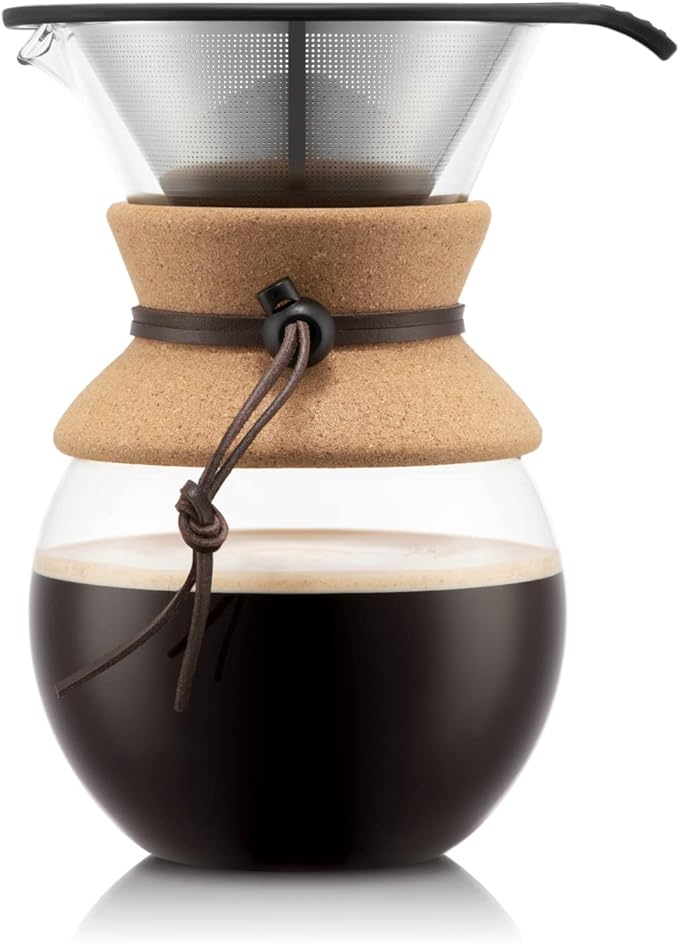
BODUM Pour Over Coffee Maker - $19
Japanese iced coffee requires a pour over dripper - and the BODUM is one of the best value options available. Borosilicate glass carafe, built-in permanent filter, and a controlled pour spout that makes the slow, even pour genuinely easy.
 Check it out
Method 3: Cold Brew Concentrate
Cold brew is made by steeping coarsely ground coffee in cold or room-temperature water for 12 to 18 hours. It produces a smooth, low-acid concentrate with a naturally sweet flavor profile - very different from flash-chilled coffee. The trade-off is time: you need to plan ahead.
Cold brew is ideal for batch making. One batch (made in a pitcher or French press) gives you enough concentrate for 4 to 6 drinks, ready to go whenever you want them.
For the full cold brew guide including exact ratios, steep times, and common mistakes, see our complete cold brew recipe. The short version: use a 1:4 to 1:5 ratio of coffee to water (much stronger than regular brewing), steep 12–18 hours in the fridge, strain, and dilute 1:1 with cold water or milk when serving.
French Press for Easy Cold Brew Batches
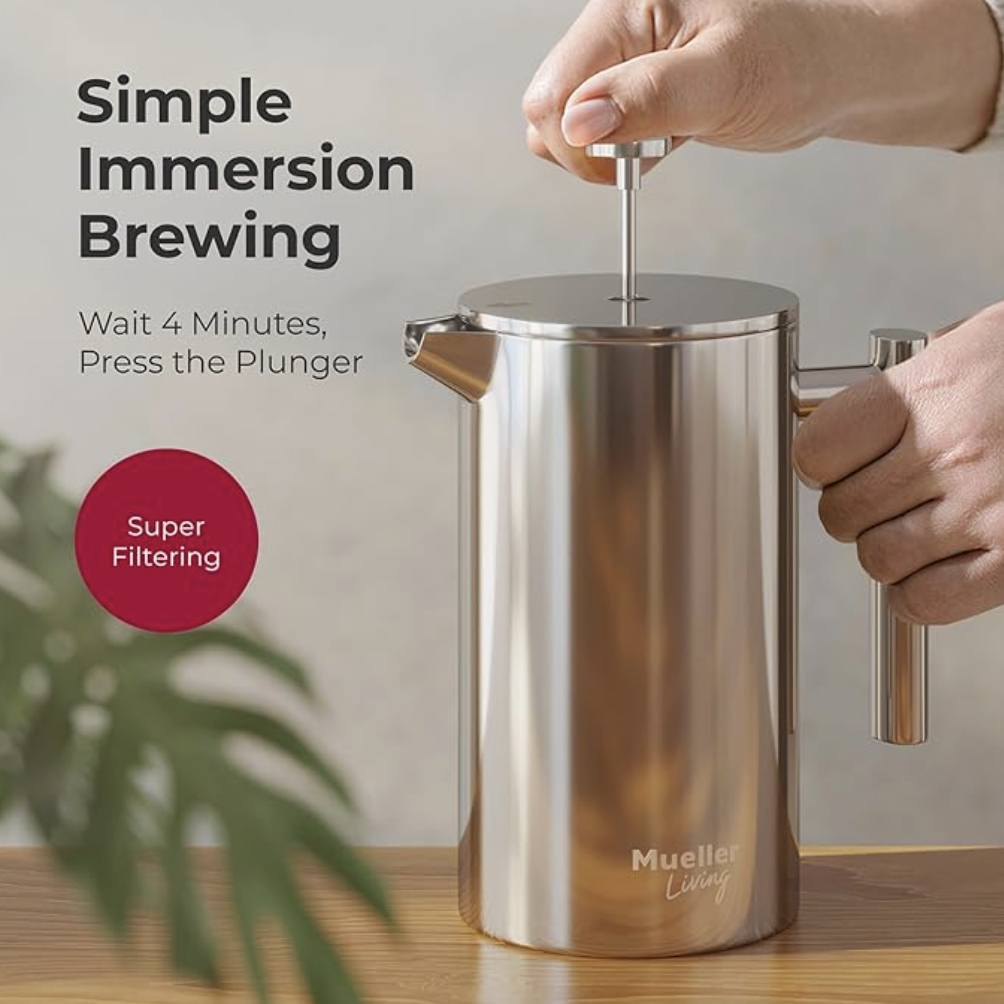
Mueller French Press - $34
A French press is one of the best vessels for making cold brew at home - steep in the press itself, push the plunger, and pour. No separate straining needed. Works equally well for hot French press coffee too.
 Check it out
Iced Coffee vs. Cold Brew: What's the Difference?
Iced coffee and cold brew are not the same thing, though both are served cold. Iced coffee is brewed hot and then chilled - it retains the bright, acidic character of hot coffee. Cold brew is never exposed to heat - it steeps in cold water for hours, producing a smoother, sweeter, less acidic concentrate.
Which is better depends entirely on what you like. If you prefer bright, complex, aromatic coffee, iced coffee wins. If you want something smooth, mellow, and easy to drink quickly, cold brew is the move. For the full comparison, see our guide on iced coffee vs. cold brew.
Tips for Better Iced Coffee
Use Large Ice Cubes
Large ice cubes have less surface area relative to their volume, so they melt more slowly. Standard ice cube trays produce small cubes that melt within minutes and dilute your coffee aggressively. A silicone mold that makes 2-inch cubes is a simple upgrade that makes a real difference.
Weigh Your Coffee for Consistent Results
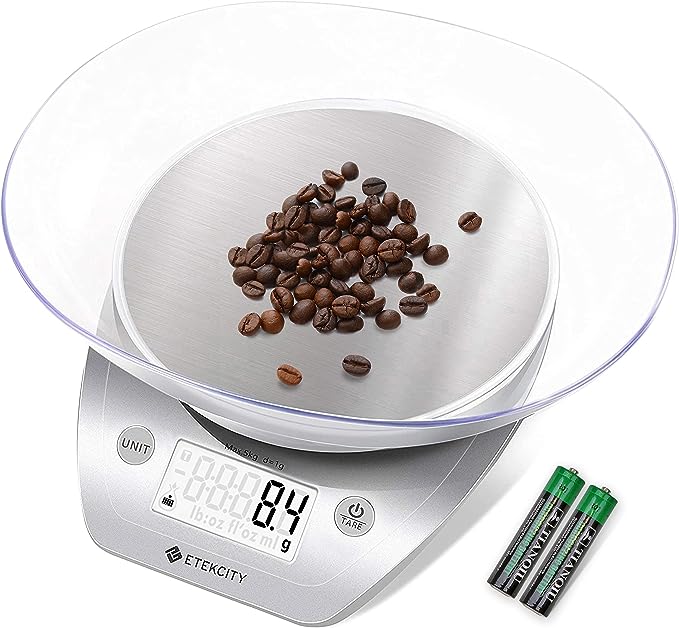
Etekcity Digital Kitchen Scale - $18
Measuring coffee by volume produces inconsistent results because density varies by grind and roast. Weighing by grams takes 10 seconds and removes the biggest variable in your brew. At the 1:8 ratio required for iced coffee, even a few grams off makes a noticeable difference in strength.
 Check it out
Sweeten While Hot
Regular granulated sugar doesn't dissolve well in cold liquid - you'll end up with gritty undissolved sugar at the bottom of your glass. Either add sugar while your coffee is still hot, stir to dissolve completely, then pour over ice. Or keep a bottle of simple syrup (equal parts water and sugar, heated and cooled) in the fridge.
Milk Options
Any milk works for iced coffee. Whole milk adds richness and a slightly sweet flavor. Oat milk is a popular choice for its creamy texture and neutral taste. Almond milk is lighter and won't overpower a delicate flash-brewed coffee. Condensed milk - as used in Vietnamese iced coffee - adds both sweetness and body in one step.
Strong Coffee Makes Better Iced Coffee
Death Wish Coffee - $16
Death Wish Coffee is a dark, bold, high-caffeine roast that holds up well when diluted over ice. Its intense flavor doesn't disappear when chilled the way lighter roasts sometimes do. If you find your iced coffee tastes flat or weak even with the right ratio, a bolder roast makes an immediate difference.
 Check it out
Frequently Asked Questions
Can I use regular coffee for iced coffee?
Yes, but you need to brew it stronger than usual. Regular-strength coffee brewed hot and poured over ice will be heavily diluted by the melting ice, resulting in a watery drink. Use a 1:8 coffee-to-water ratio instead of the standard 1:15 to compensate. Any brewing method works - drip, French press, pour over, AeroPress - as long as you double the coffee dose relative to the water.
How do I stop iced coffee from being watery?
Two things cause watery iced coffee: brewing at normal strength (instead of double strength) and using too much or too-small ice. Brew at a 1:8 ratio instead of 1:15, and use large ice cubes that melt more slowly. If you want to go further, freeze leftover coffee into ice cubes and use those instead of water ice - they chill without diluting at all.
What is the best coffee for iced coffee?
Medium to dark roasts hold up best when chilled. Light roasts can taste bright and pleasant as flash-brewed Japanese iced coffee, but they often lose their character when diluted over ice. For hot-brew-over-ice, a medium-dark or dark roast with chocolatey, nutty, or caramel notes tends to taste better cold than a delicate fruity light roast. Fresh beans (roasted within the last 2–4 weeks) always produce a better result than stale ones.
How long does homemade iced coffee keep?
Hot-brewed iced coffee (either method) keeps for up to 3–4 days in the refrigerator in a sealed container, though the flavor degrades noticeably after 24 hours. Cold brew concentrate keeps much longer - up to 2 weeks refrigerated - which is why batch brewing makes more sense for cold brew. Store without ice and add ice when serving to avoid dilution.
Does iced coffee have more caffeine than hot coffee?
Iced coffee made correctly - at double strength - has roughly the same caffeine as hot coffee, since you're using more coffee grounds per final serving. If you're brewing at the standard ratio and just pouring over ice, the caffeine is actually lower per sip because the drink is diluted. Cold brew concentrate, if served undiluted or only lightly diluted, can have significantly more caffeine per ounce than hot coffee. When diluted 1:1 as intended, cold brew caffeine is roughly comparable to drip coffee.
Which Method Should You Use?
Start with hot brew over ice if you want iced coffee right now with no special equipment. Move to Japanese iced coffee if you have a pour over setup and care about flavor clarity - it's the best-tasting quick method. Make cold brew concentrate if you drink iced coffee regularly and want batches ready in the fridge. All three produce a genuinely good result when you use the right ratios and fresh coffee.