You don't need to spend $500 to make real espresso at home. The under-$200 category has matured significantly - you can now pull a genuine 9-bar shot with crema, steam milk for lattes, and ditch your $6-a-day coffee shop habit without breaking the bank.
We tested and researched the most popular budget espresso machines to find the ones that actually deliver. The key thing to look for at this price range: pump pressure (you need at least 9 bars for real espresso) and a steam wand for milk drinks. Here's what made the cut.
Top 5 Espresso Machines Under $200
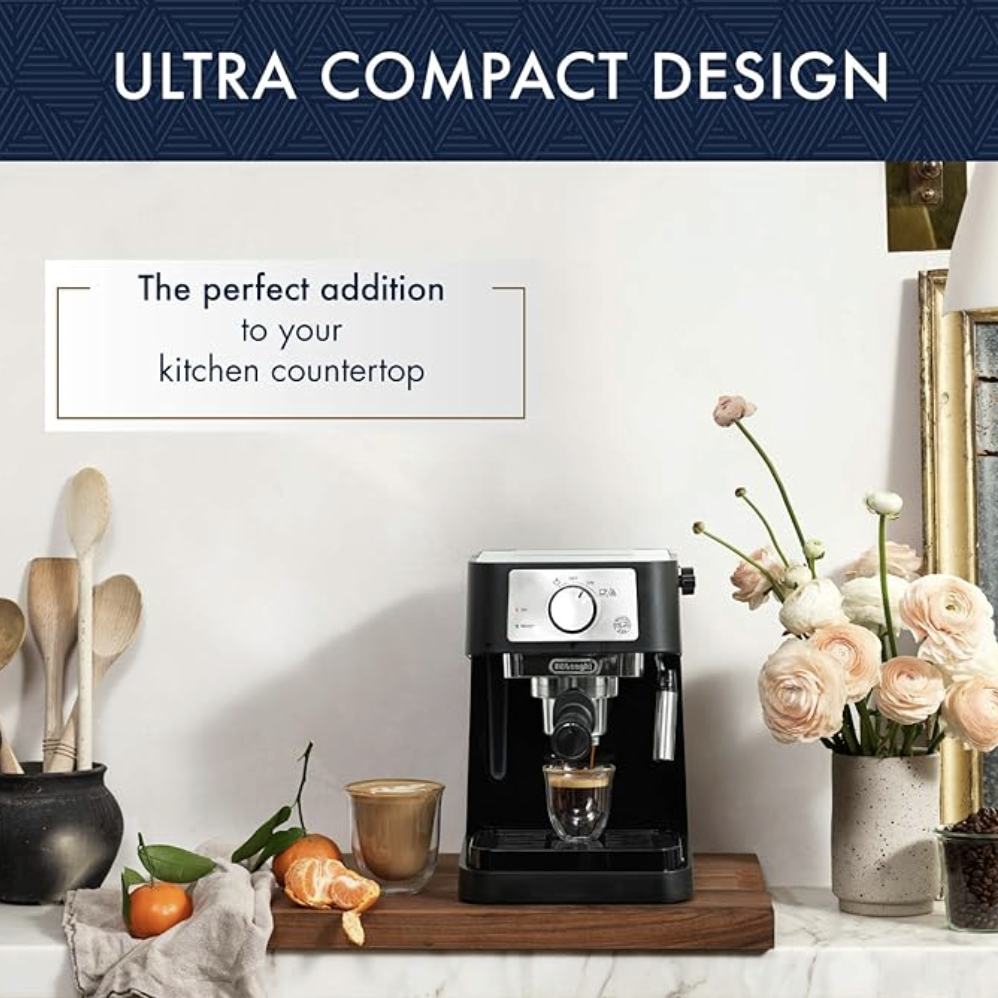
De'Longhi Stilosa Manual Espresso Machine (EC260BK)
Best for: Beginners who want real espresso on a tight budget
Pressure: 15-bar pump (industry standard)
Why we love it: The Stilosa is the best value entry into real espresso. It has a manual steam wand so you can froth milk for lattes and cappuccinos, a dual-function filter holder for both ground coffee and pods, and a compact footprint. At less than $200 it's a steal - and it comes from De'Longhi, a brand with decades of espresso machine heritage.
Check it out →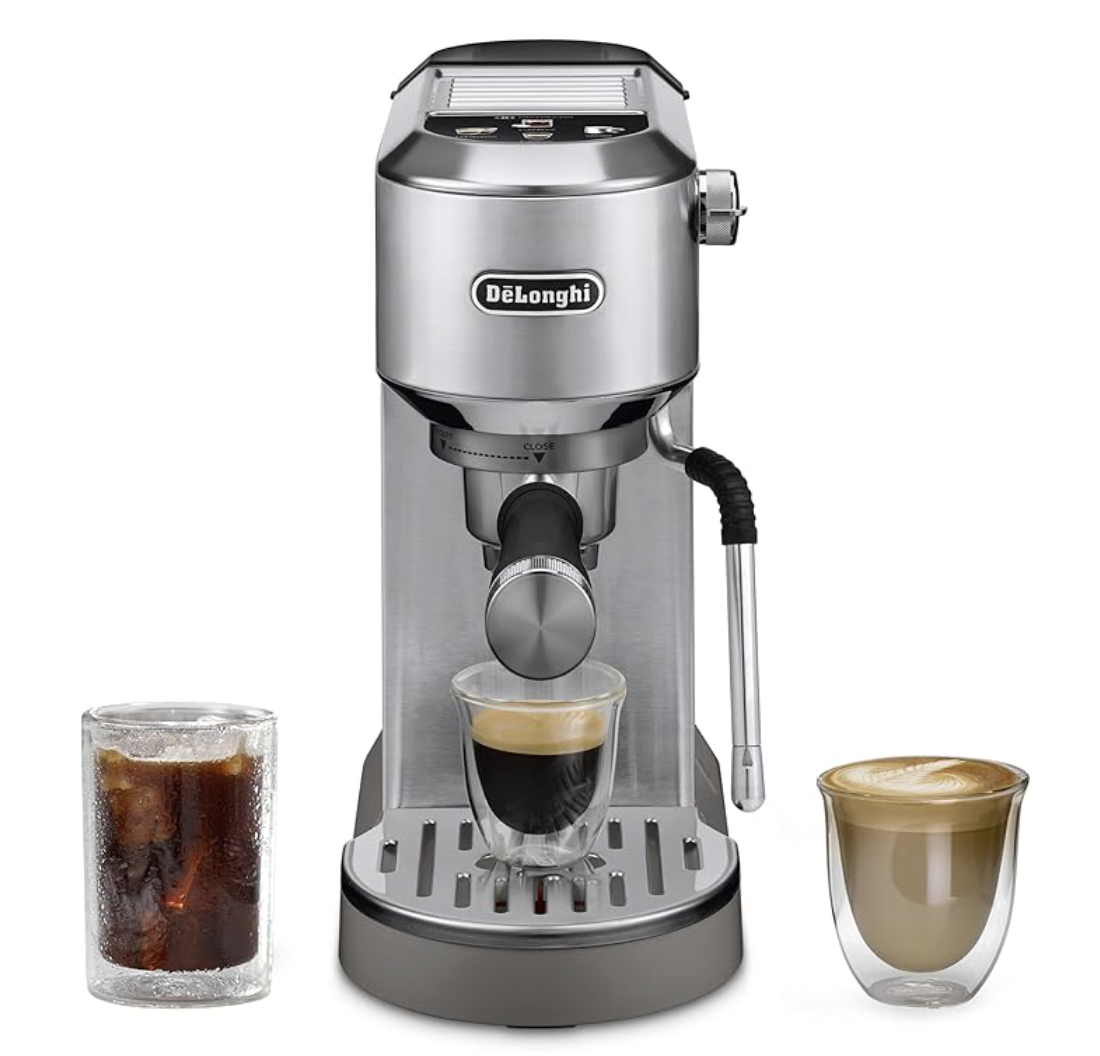
De'Longhi Dedica Arte (EC885M)
Best for: Those who want a sleek, slim machine that fits any kitchen
Pressure: 15-bar pump
Standout feature: Just 6 inches wide - fits in the tightest kitchens. The Dedica Arte upgrades the original Dedica with a modern design, improved steam wand, and faster heat-up time (under 40 seconds). One of the best-looking machines at this price.
Check it out →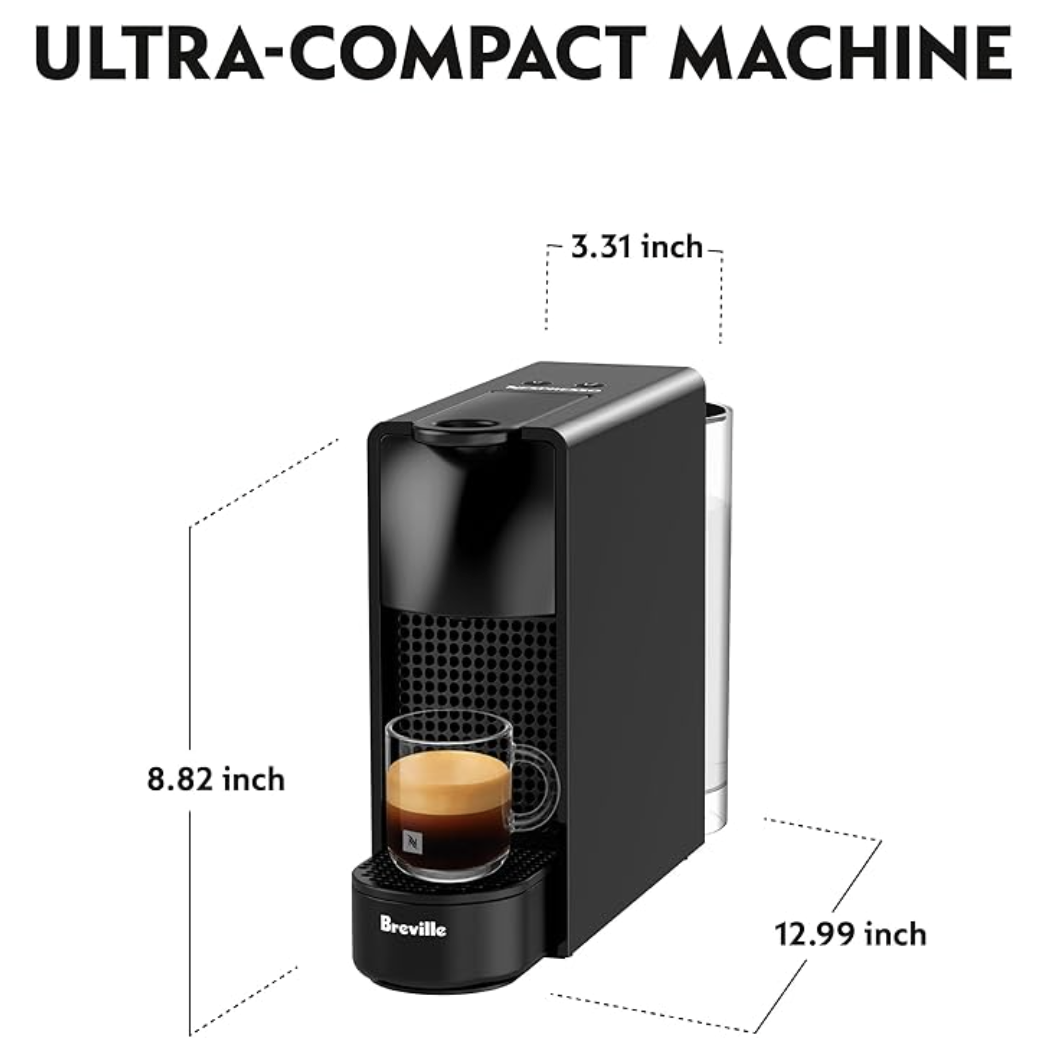
Nespresso Essenza Mini (EN85B)
Best for: Convenience-first buyers who don't want to fuss with grinding
Pressure: 19-bar pump
Standout feature: Pod-based - zero grinding, zero measuring, zero cleanup. The Essenza Mini is the smallest Nespresso machine and produces consistent, excellent espresso every time. Not "real" espresso in the traditional sense, but the closest thing to it without any effort. Great option if convenience is your priority.
Check it out →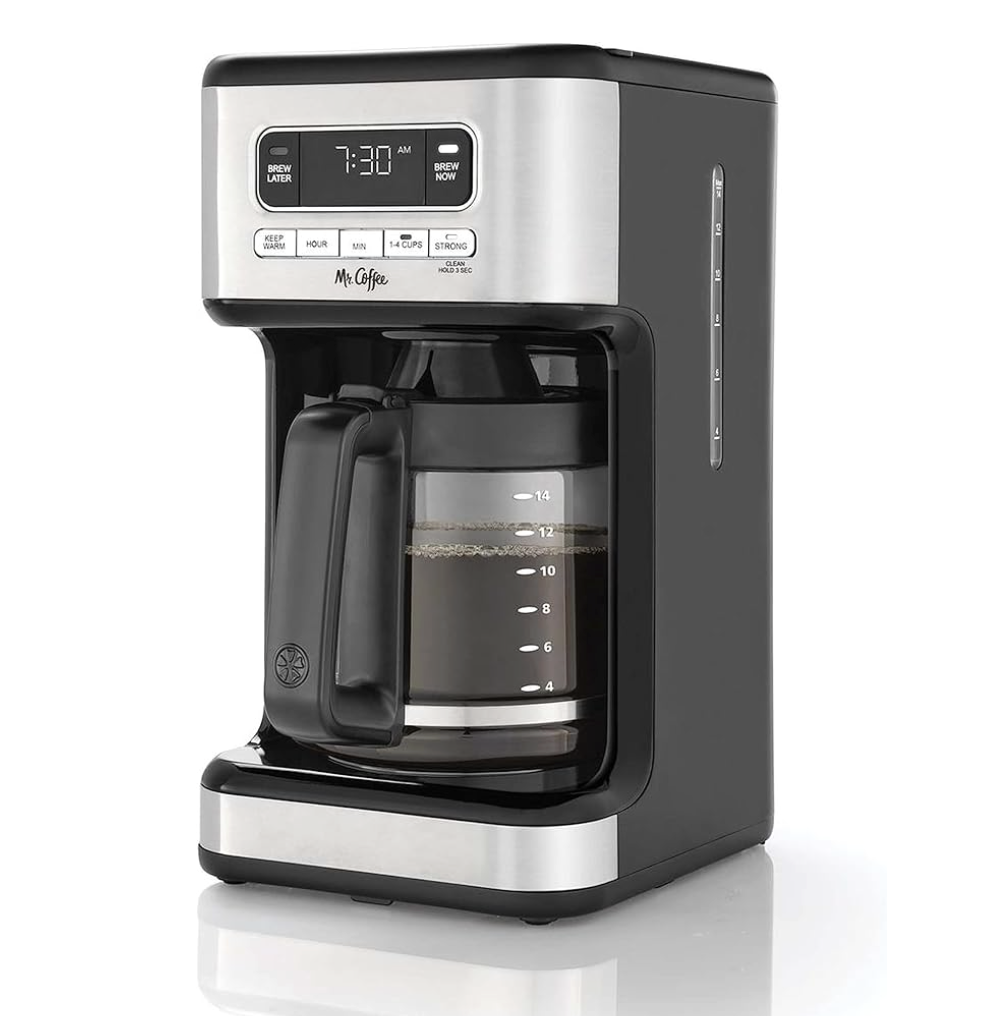
Mr. Coffee Espresso and Cappuccino Maker
Best for: The most budget-conscious buyer who still wants a steam wand
Pressure: 15-bar pump
Standout feature: At $80, this is the cheapest way to get a real pump-driven espresso machine with milk frothing capability. It won't produce the same quality as the De'Longhi options above, but for casual espresso drinks it does the job. Great first machine for someone unsure if espresso is "their thing."
Check it out →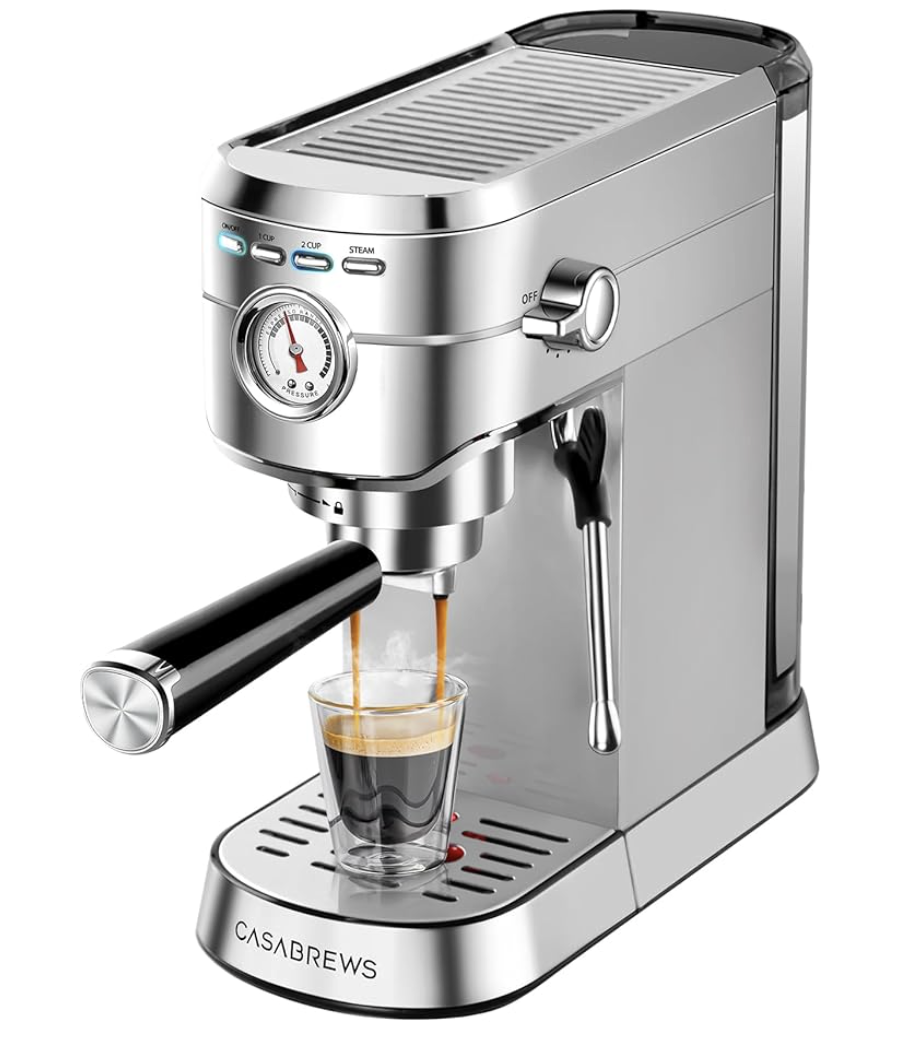
Casabrews 20-Bar Espresso Machine
Best for: Those who want a stainless steel look at a mid-range price
Pressure: 20-bar pump
Standout feature: A professional-looking stainless steel design with a pressure gauge on the front - great for the aesthetics-conscious buyer. The 20-bar pump is technically higher than competitors but actual extraction still happens at 9 bars; the pump rating mostly indicates headroom. Solid mid-range option.
Check it out →What to Look for in a Budget Espresso Machine
☕ Pump Pressure (9 Bars Minimum)
This is non-negotiable. Real espresso requires 9 bars of pressure to properly extract the shot. Most budget machines are rated at 15 bars - that's fine, the machine regulates down to 9 bars during extraction. Avoid steam-pressure machines (often labeled "steam espresso") - they cap out at 3-4 bars and cannot produce real espresso, just very strong coffee.
What to look for: Any label mentioning "pump espresso machine" or "15-bar pump" is a good sign.
🥛 Steam Wand
If you want lattes or cappuccinos, you need a steam wand. Budget machines typically come with a "pannarello" wand - a plastic attachment that automatically introduces air into the milk, making frothing easier for beginners. It produces decent foam but can't make the microfoam that latte art requires. That's fine at this price range.
Pro tip: If you want to learn to texture milk properly, look for machines with a manual steam wand you can remove the pannarello from.
⏱️ Heat-Up Time
Cheap machines can take 2-5 minutes to heat up; better budget machines heat in 30-45 seconds. If your morning routine is rushed, heat-up time matters. The De'Longhi Dedica Arte heats up in under 40 seconds - one of the fastest at this price.
🧹 Ease of Cleaning
Espresso machines need regular cleaning or they build up oils and mineral deposits that ruin flavor. Look for machines with removable drip trays, detachable water reservoirs, and - ideally - an auto-clean or descaling program. Plan on descaling every 2-3 months depending on your water hardness.
☕ Pod vs Ground Coffee Compatibility
Many budget machines accept both ESE (Easy Serve Espresso) pods and ground coffee. This gives you flexibility: use pods when you're in a hurry, switch to ground coffee when you want to dial in a specific bean. Avoid machines that are pod-only unless you're committed to the convenience trade-off.
Our #1 Pick: De'Longhi Stilosa Espresso Machine
Why We Love It
The De'Longhi Stilosa hits every requirement for a serious budget espresso machine. It uses a real pump (not steam pressure), has a manual steam wand, accepts both ground coffee and ESE pods, and costs just $149. For the quality of shots it pulls and the durability De'Longhi machines are known for, it's the obvious starting point for anyone new to home espresso.
The dual-function filter holder is a particular highlight - you get two filter baskets (single and double shot) plus a pod adapter, so you can experiment freely without buying additional accessories. The steam wand produces good froth for lattes and cappuccinos, and the removable drip tray keeps cleanup manageable.
The one honest caveat: the water reservoir is on the smaller side at 1 liter. If you're making multiple drinks in a row, you'll refill it more often than on larger machines. For a single daily coffee drinker, this is a non-issue.
✅ Pros
- Real pump pressure: 15-bar pump delivers genuine espresso extraction
- Manual steam wand: Froth milk for lattes and cappuccinos
- Versatile filter: Works with ground coffee and ESE pods
- Compact design: Doesn't dominate your countertop
- De'Longhi reliability: Brand with a strong reputation for espresso machines
- Affordable: Best performance-per-dollar at this price point
❌ Cons
- Small water tank: 1-liter reservoir means frequent refills for heavy users
- No pressure gauge: You can't visually monitor extraction pressure
- Learning curve: Getting dialed in with grind size and tamping takes practice
- No programmable settings: Manual operation only
The Verdict
The De'Longhi Stilosa is the entry point we'd recommend to almost anyone starting their home espresso journey. At $149 it's priced low enough that you can upgrade later without feeling like you wasted money, but it performs well enough that many users stick with it for years.
Perfect for: Beginners, apartment dwellers, anyone switching from a coffee shop habit to home brewing
Skip if: You want programmable settings, a large water tank, or you're already serious about espresso quality (upgrade to Breville Bambino at that point)
Budget Espresso Machine Comparison at a Glance
Under $149: Mr. Coffee Espresso Maker
The entry point. It pulls real espresso shots and has a steam wand. Expect a learning curve and more variability in shot quality. Best for: testing whether home espresso is for you before committing more money.
$149–$150: De'Longhi Stilosa / Casabrews
The sweet spot for value. The Stilosa is our top pick here - De'Longhi quality at an accessible price. The Casabrews is a solid alternative if you prefer the stainless steel aesthetic.
$150–$200: De'Longhi Dedica Arte / Nespresso Essenza Mini
The Dedica Arte is the best semi-automatic at this price - slimmer, faster, and better looking. The Nespresso is the choice if you prioritize convenience over customization.
Frequently Asked Questions
Can you make a good latte with a $149 espresso machine?
Yes - but with realistic expectations. A $149 machine like the De'Longhi Stilosa will produce a genuine espresso shot with crema and froth milk well enough for a solid latte or cappuccino. What you won't get is latte art-quality microfoam (that requires more practice and often a better steam wand) or the perfectly consistent shot-to-shot repeatability of a $500+ machine.
For most home drinkers who just want a good morning latte without going to a coffee shop, a $149 machine absolutely delivers. The limiting factor at this price is usually the grinder, not the machine itself.
Do I need a separate espresso grinder?
For best results, yes. Espresso requires a consistently fine grind that most cheap blade grinders can't reliably produce. A dedicated burr grinder - even an entry-level one like the Baratza Encore ESP (~$199) - will dramatically improve your shots.
That said, you can start with pre-ground espresso coffee (labeled "espresso grind") from the grocery store while you get your machine dialed in. Once you're hooked, the grinder is the next upgrade to make.
What's the difference between 15-bar and 20-bar espresso machines?
In practice, very little. Espresso is extracted at 9 bars of pressure - both 15-bar and 20-bar machines regulate down to that level during extraction. The higher pump rating just means more headroom and can allow the machine to maintain consistent pressure over longer pulls.
Marketing often uses "20-bar" as a selling point, but it doesn't automatically mean better espresso. Build quality, boiler size, and portafilter design matter more than pump rating at this price range.
How often do I need to clean an espresso machine?
Daily: rinse the portafilter, steam wand, and drip tray after each use. Weekly: backflush if your machine supports it, wipe down all external parts. Monthly: clean the group head thoroughly. Every 2-3 months: descale the boiler with a descaling solution (more often if you have hard water).
Skipping descaling is the #1 reason budget espresso machines die early. Use filtered water if possible - it dramatically reduces mineral buildup and extends machine life.
Is a pod machine (Nespresso) as good as a real espresso machine?
Nespresso produces excellent coffee that's very close to espresso - great crema, consistent quality, and zero effort. For most people who want a quick morning coffee, it's genuinely satisfying.
However, pod coffee has real trade-offs: you can't use your own freshly-roasted beans, pods cost more per cup than ground coffee, and you can't adjust variables to dial in flavor. If you love the ritual of brewing and want to experiment with different beans, a semi-automatic machine will be more rewarding. If you just want good coffee fast, Nespresso is hard to beat.
What beans should I use for home espresso?
Look for beans labeled "espresso roast" or "espresso blend" - typically medium to dark roast, which produces the bold flavor and thick crema espresso is known for. Single-origin light roasts can work too, but they're trickier to dial in and taste quite different from traditional espresso.
For beginners, we recommend starting with a reliable espresso blend from a local roaster or brands like Lavazza, Illy, or Intelligentsia Espresso. Buy whole beans and grind just before brewing for the best flavor.
Ready to Make Espresso at Home?
The under-$200 espresso machine market is genuinely good in 2026. The De'Longhi Stilosa at $149 is our top recommendation for most buyers - it's a real espresso machine, not a toy, and it will last you years. If you can stretch beyond $200, the De'Longhi Dedica Arte at $299 is a meaningful upgrade in aesthetics and speed - see our beginner espresso setup guide for full comparison.
Whichever machine you choose, remember: your grinder matters as much as your machine. Once you've got your setup, pair it with a quality burr grinder and fresh whole beans, and you'll make better espresso than most coffee shops.
Also Worth Checking Out
Pair your new espresso machine with the right accessories
Best Espresso Grinders →